

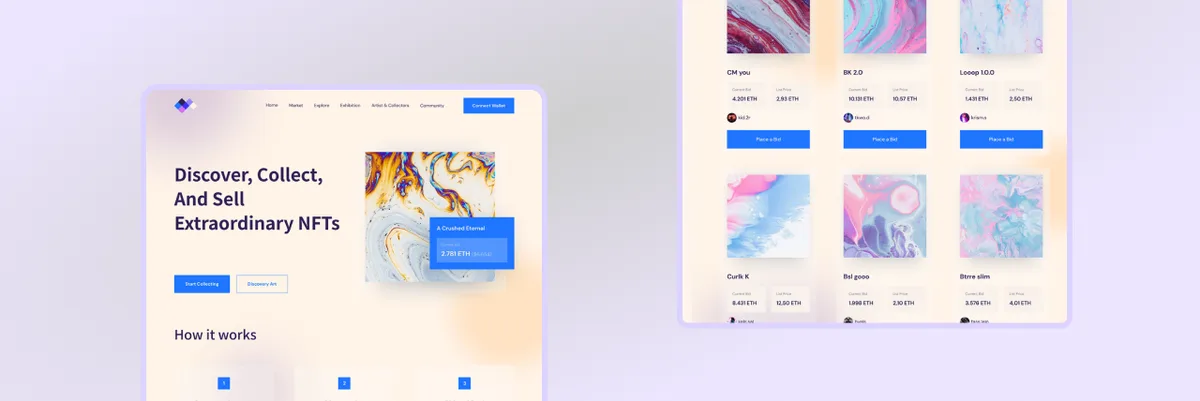
Mastering Design Operations: A Guide to Efficient Design Workflow
Master design operations with ANODA UX Agency. Learn to streamline workflows, optimize team efficiency, and enhance collaboration for outstanding design results
Design work that is easier to scope, review and hand over.
Standardises what the interface is made of.
DesignOps
Standardises how the team works on it.
Not included
The result should help people make and carry decisions through delivery. We focus on a manageable operating scope instead of creating a process document that nobody has time to use.
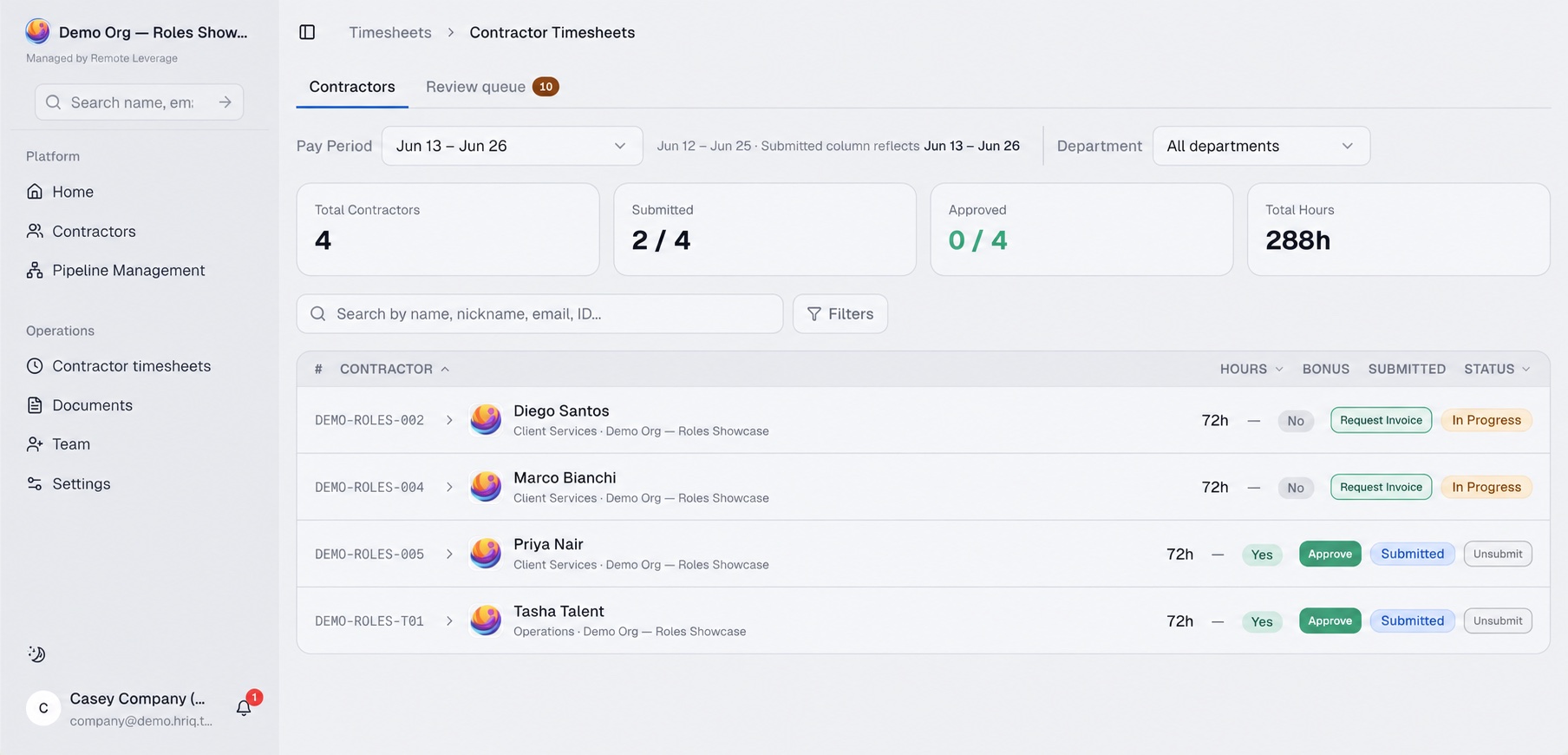
The handoffs, recurring friction and decision gaps in scope.
Responsibilities, review expectations and decision rules.
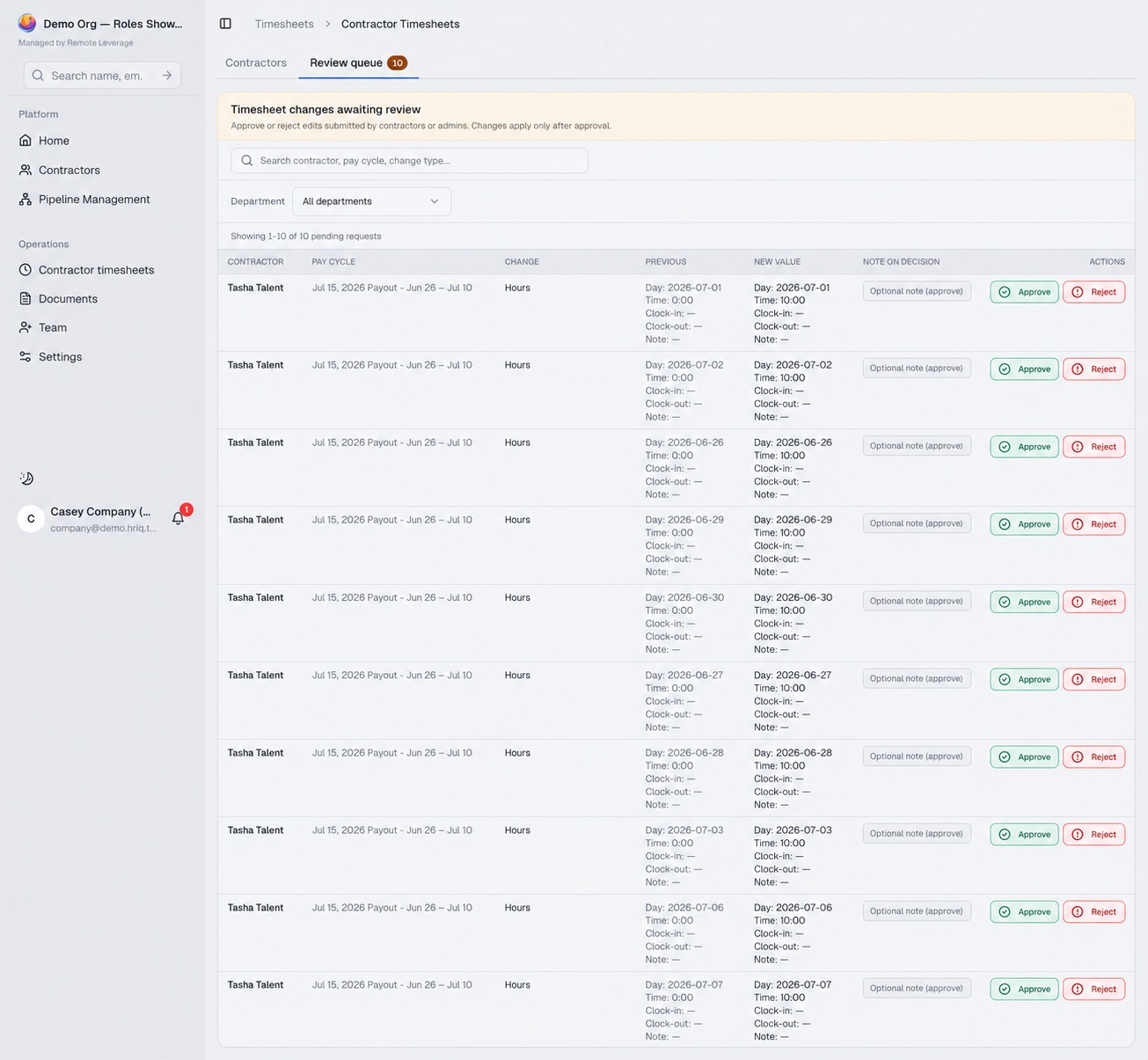
Brief, review, handoff or contribution formats for the real gaps.
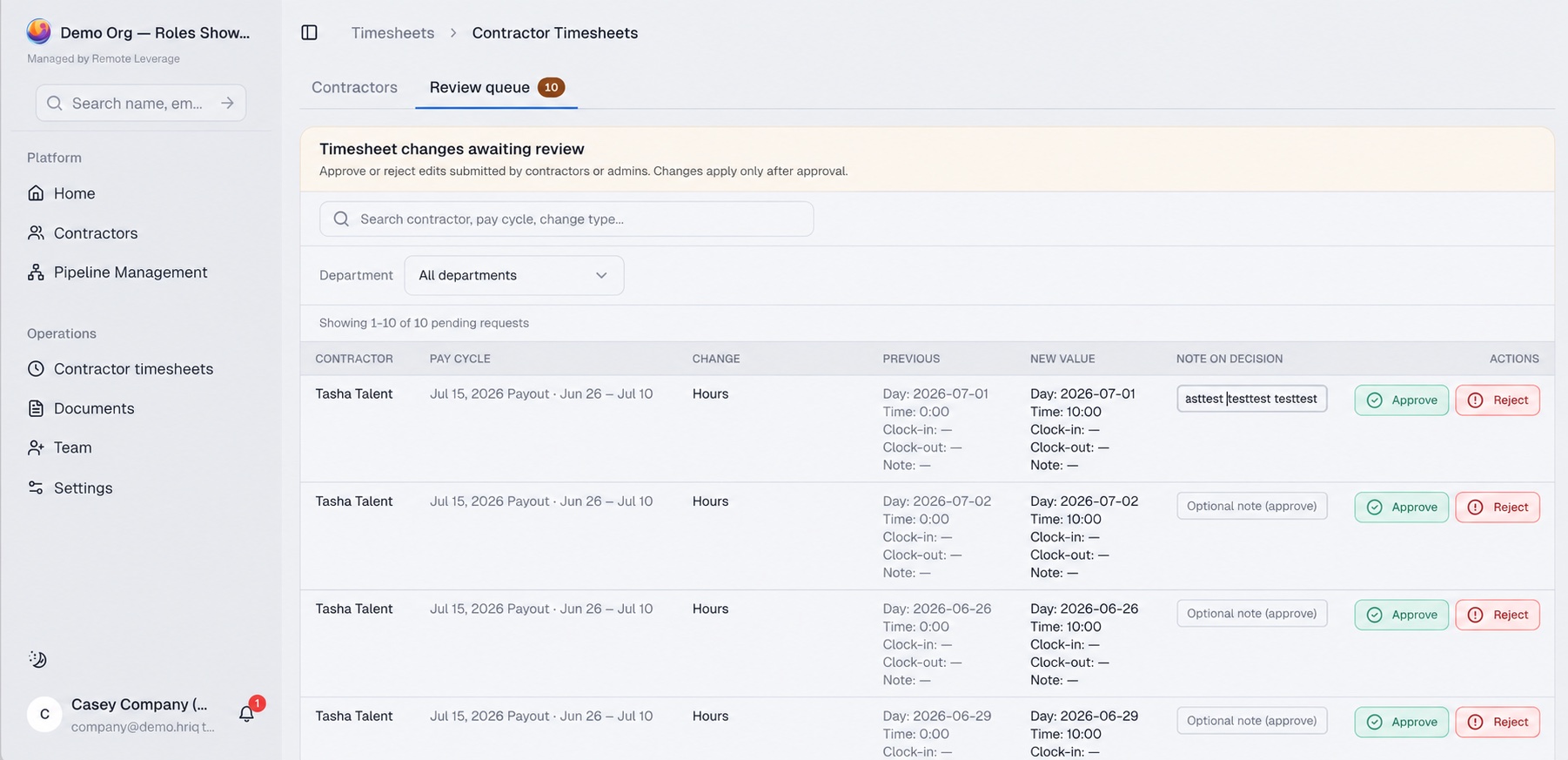
A bounded way to try the practices, and an owner for their use.
The agreements, the templates and the pilot plan stay with your team, with an owner named for continuing use.
Discuss your productWe follow real work through the team before adding any process, then change the steps where it gets stuck.
How requests arrive, get sized and become agreed work.
Who decides what, and where decisions stall today.
When work is reviewed, by whom, and against what criteria.
What engineering receives, in what form, and when.
The new way of working tried on a real project, then corrected.
The same coordination problems recur across delivery cycles.
Product, design and engineering can participate in the work.
A team lead can own adoption after the initial engagement.
You want to test practical changes on a real project.

Share where the product is and what has to change. We will come back with a useful scope and a realistic next step.
What we need from your team, who does what, and what happens after the handoff.
After the engagement Design systems, product strategy or design work usually come next; none of them is part of this engagement. Continuing facilitation, system stewardship or delivery support needs its own responsibilities and scope. Usually 4–8 weeks for an agreed scope.
Describe a recent handoff, review or request that became harder than it needed to be. We will discuss which working practices are worth changing first.
Message received.
Within 15 minutes, we’ll email you initial feedback and follow-up questions.
Master design operations with ANODA UX Agency. Learn to streamline workflows, optimize team efficiency, and enhance collaboration for outstanding design results
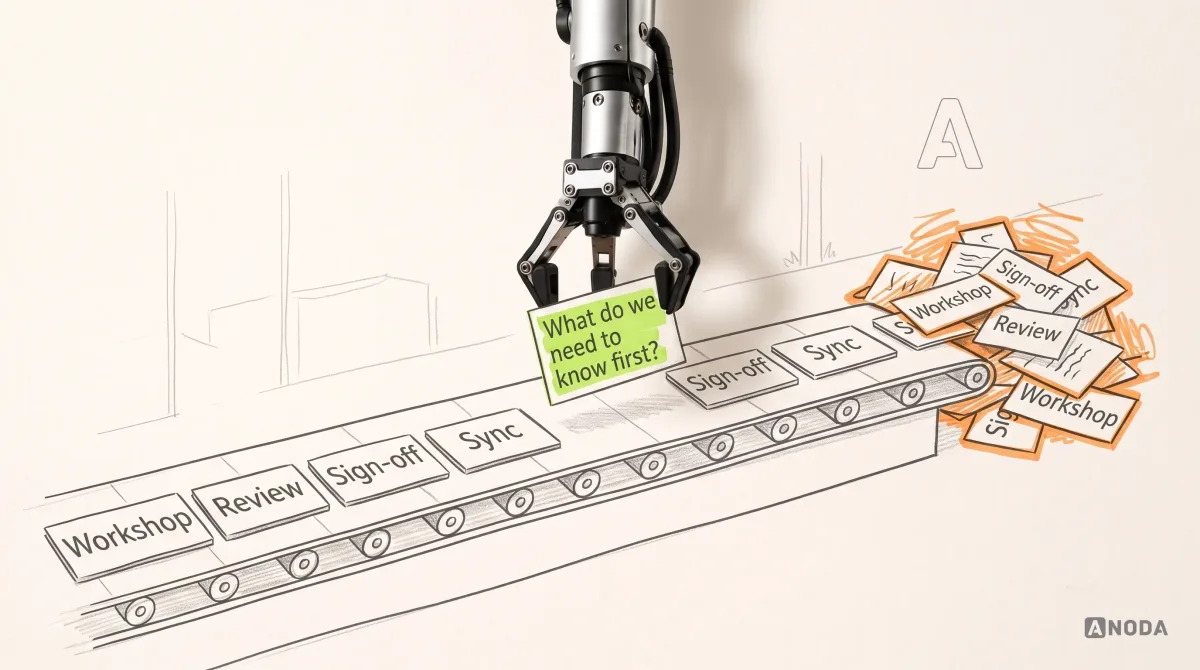
UX Design Workflow: practical guidance, examples and decision criteria from ANODA. Learn how the topic applies to your product and team.
Tools may be part of the conversation, but the starting point is how decisions and information move. A new tool will not resolve unclear ownership or missing expectations by itself. We recommend changes in the context of your existing workflow.
No fixed team size determines whether the work is useful. A small team can have recurring coordination problems across several products or disciplines. We assess the friction and keep the proposed practices proportionate to the organisation.
We first identify what is working and where the specific problems occur. The scope can focus on intake, reviews, handoff or system contributions. Replacing the whole delivery process is not an automatic part of the engagement.
A design system defines reusable interface foundations, components and patterns. DesignOps addresses how people organise and carry out the work. They overlap around ownership and contributions, but each has a distinct purpose and scope.
We agree what to observe in the pilot, such as unresolved handoff questions, repeated review loops or unclear decision ownership. Your team can then judge whether the practices help. We do not promise a fixed productivity increase.
That can be discussed separately. The initial engagement defines its outputs, pilot and handoff. Any continuing facilitation, system stewardship or delivery support needs its own responsibilities and scope.