
UX Designer vs Front-End Developer: Roles, Skills and Careers
Compare UX designers and front-end developers by responsibilities, skills, tools, deliverables, career paths and how the two roles collaborate.
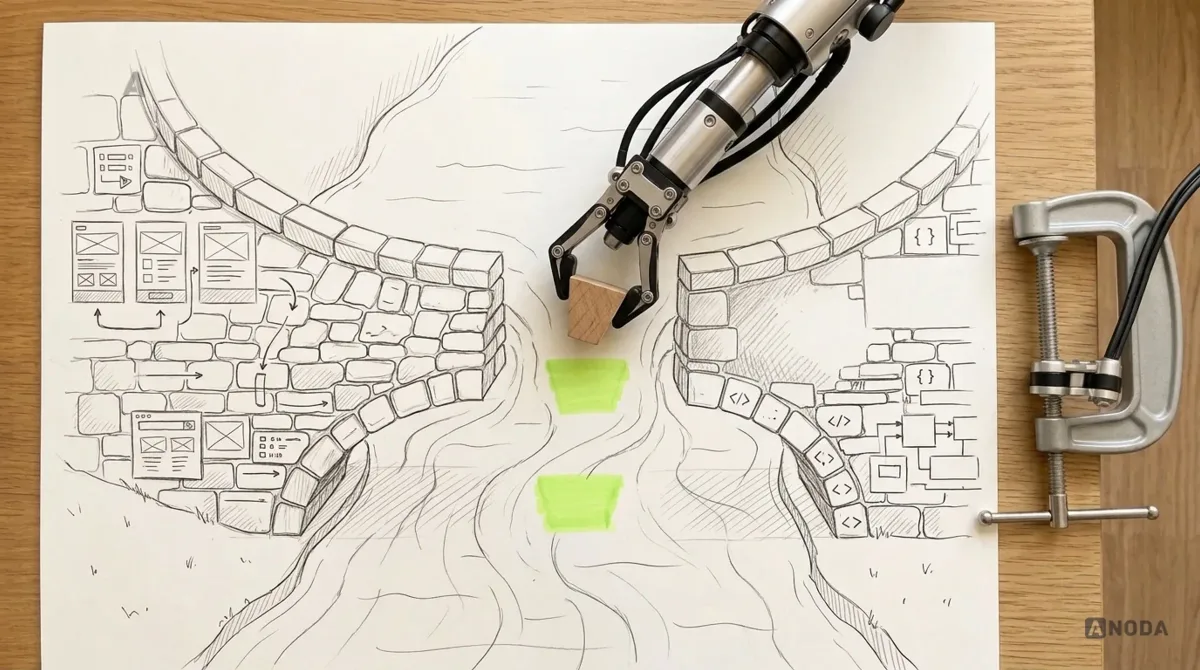
Bring agreed designs into a working frontend, with responsive layouts, reusable components and the states real users encounter.

Your agreed design, built as a working frontend.
Builds the whole application and its logic.
Frontend Engineering
Implements an agreed interface on your existing services.
Not included
Delivery is defined against the selected workflows and acceptance criteria. Backend changes, infrastructure and production release responsibilities are agreed explicitly rather than assumed to be included.
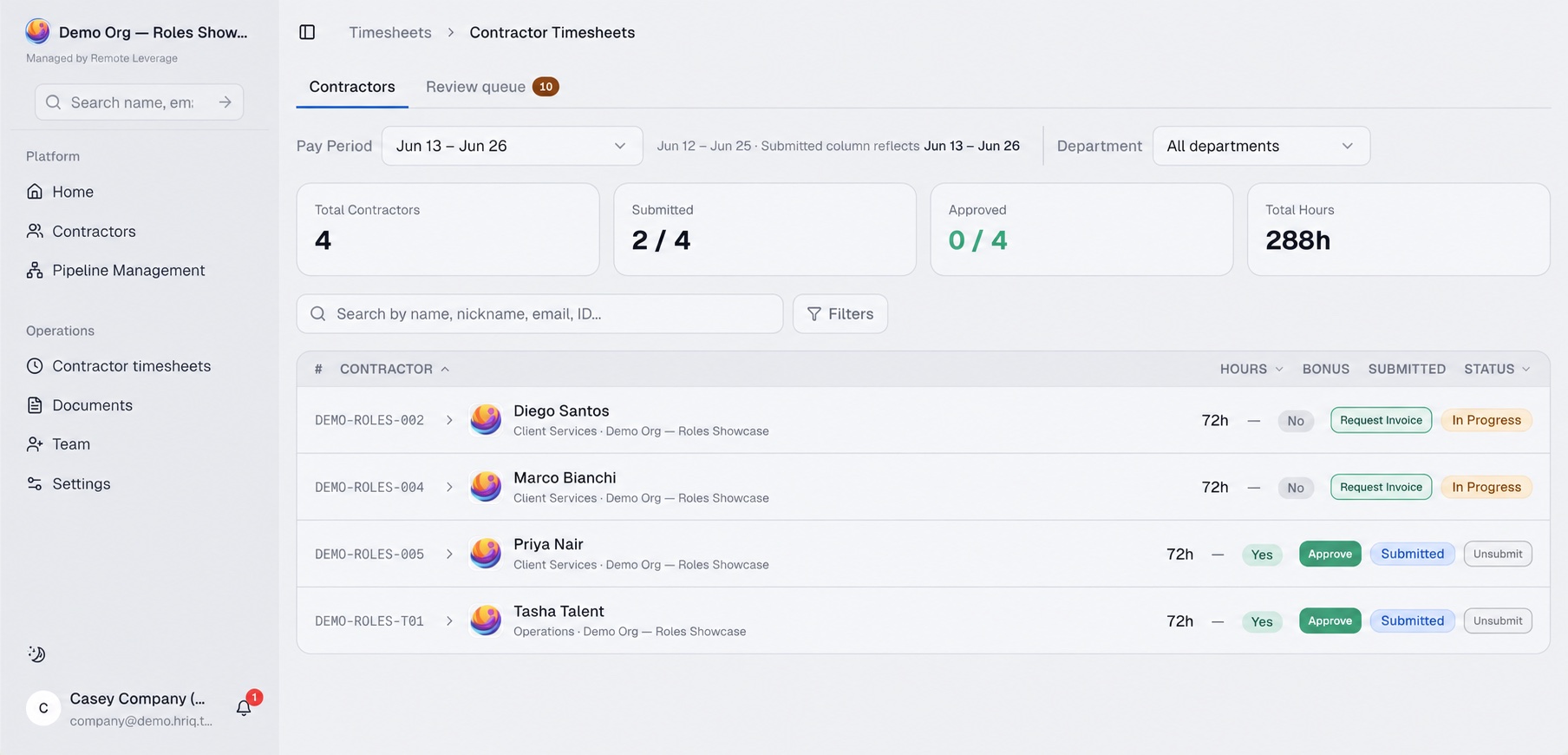
The agreed screens, components and interaction states.
Documented handling for the agreed API responses and failures.
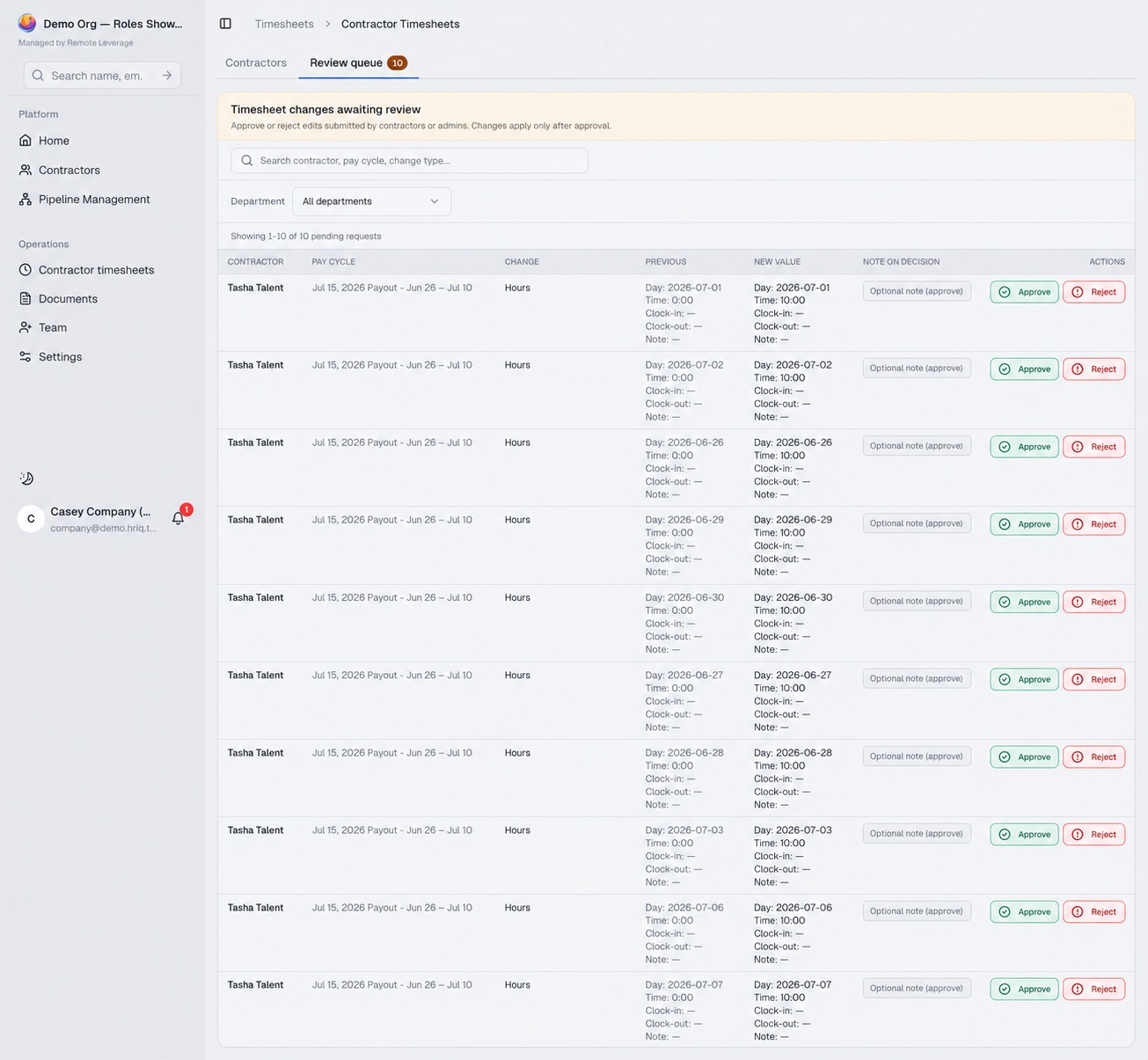
Results from the scoped functional, responsive and design checks.
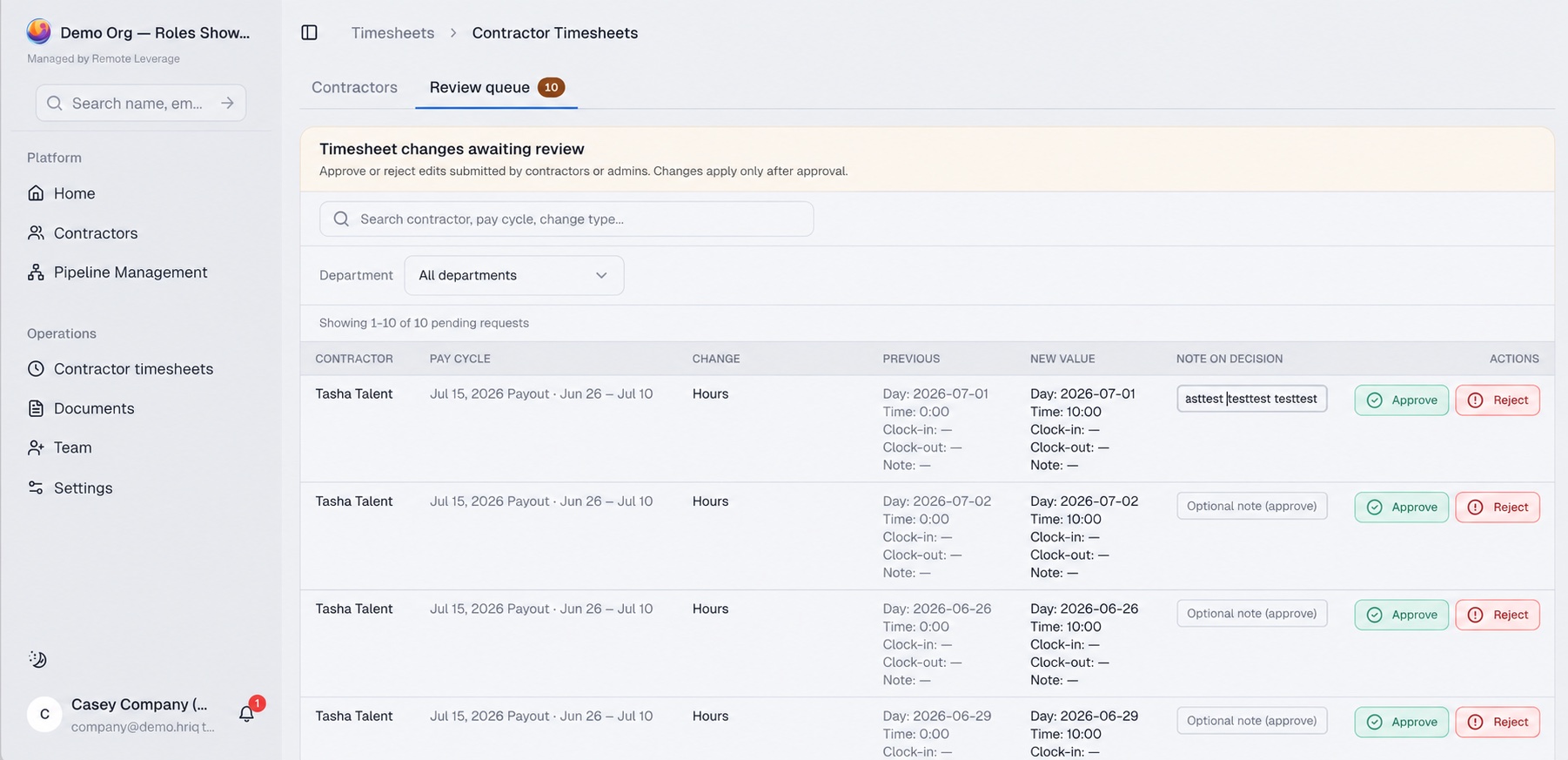
A reviewable change set and the documentation to release it.
Your engineering team receives the agreed code and documentation.
Discuss your productWho builds what, whether the inputs are ready, in what order it ships and what it is accepted against.
Check the design against the codebase and flag what is missing.
Reuse what exists, add what the scope needs.
Integrate with the APIs, including loading, empty and failure states.
Test against the agreed criteria, then walk your engineers through it.
The design direction and important workflows are agreed.
Your team can provide the required repository, API and environment context.
Engineering owners can resolve integration questions and review changes.
Acceptance criteria and release responsibilities can be defined before delivery.

Share where the product is and what has to change. We will come back with a useful scope and a realistic next step.
What we need from your team, who does what, and what happens after the handoff.
After handoff Release responsibilities are agreed separately; production deployment is not assumed from frontend work alone. Maintenance, future features and operational response need an explicit agreement rather than an open-ended assumption.
Share the design scope, existing frontend and main integration constraints. We will discuss a delivery boundary and the checks needed to make the interface ready for your next step.
Message received.
Within 15 minutes, we’ll email you initial feedback and follow-up questions.
Compare UX designers and front-end developers by responsibilities, skills, tools, deliverables, career paths and how the two roles collaborate.

Expand your native app to the web with ANODA UX Agency. Discover strategies to reach new users, enhance functionality, and boost engagement. Contact us today!
We review the repository, stack, component approach and constraints before agreeing the engagement. The implementation plan should fit the existing product where practical. We do not promise compatibility with every stack without examining it.
This service is scoped around frontend engineering and agreed integrations. New backend services, databases, infrastructure and operational ownership are not implied. If the interface depends on changes there, we identify the dependency with your engineers.
Yes, subject to a review of the design and implementation requirements. We clarify missing states, responsive behaviour and interaction details before they become assumptions in code. The original design ownership and approval path remain explicit.
We agree relevant accessibility acceptance criteria and test the implemented scope against them. Coverage depends on the engagement. We do not describe a scoped review as certification of the entire product or as a guarantee of legal compliance.
Release responsibilities are agreed separately. The scope may end with a reviewable change set or include an approved environment delivery. Production deployment requires the appropriate access, checks and release ownership; it is not assumed from frontend work alone.
Your engineering team receives the agreed code and documentation. We can discuss implementation follow-up or ongoing support, but maintenance, future features and operational response need an explicit agreement rather than an open-ended assumption.