

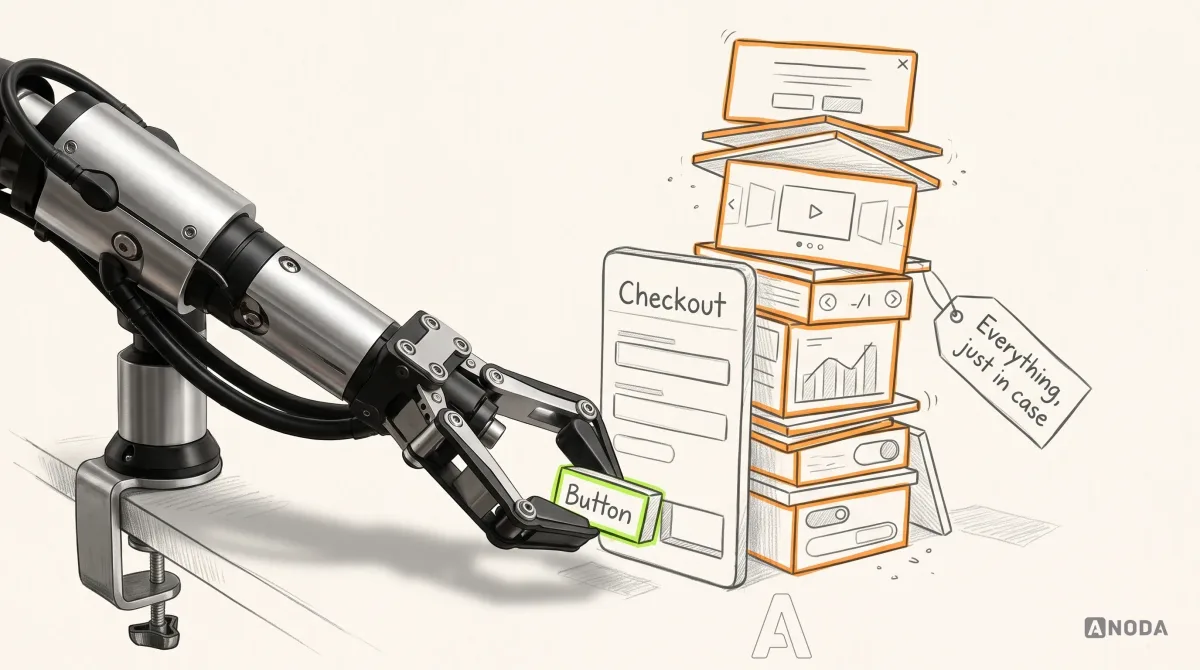
How To Build A Design System
How To Build A Design System: practical guidance, examples and decision criteria from ANODA. Learn how the topic applies to your product and team.
One shared way for your teams to design and build interfaces.
Improves how design work moves through the team.
Design Systems
Gives the product one set of foundations and components.
Not included
We define the first useful scope with your team and document how it should be applied. A design library and a production component library are separate deliverables; the engagement makes their relationship explicit.
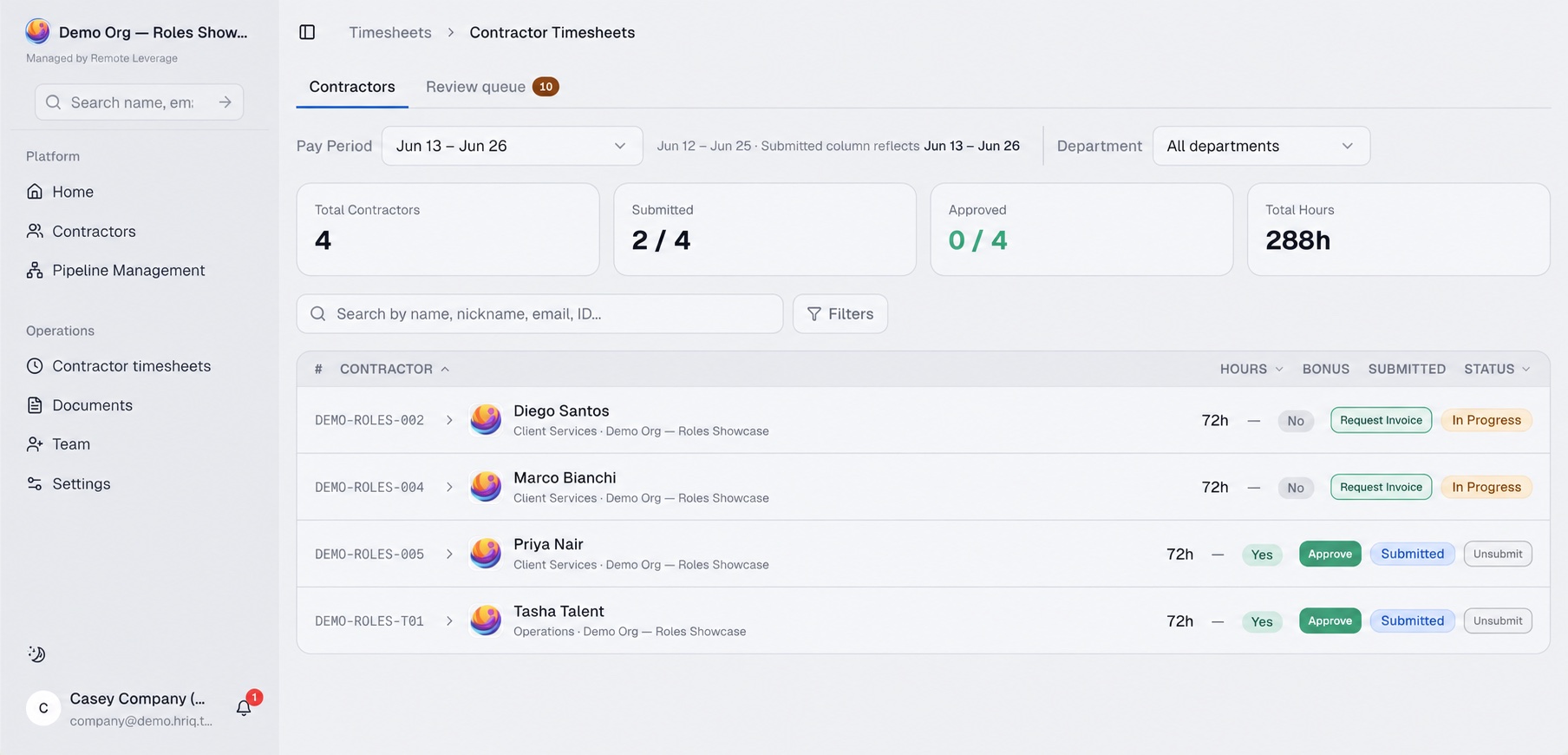
What exists, what should be consolidated and what needs a new pattern.
A design library with the agreed rules, variants and states.
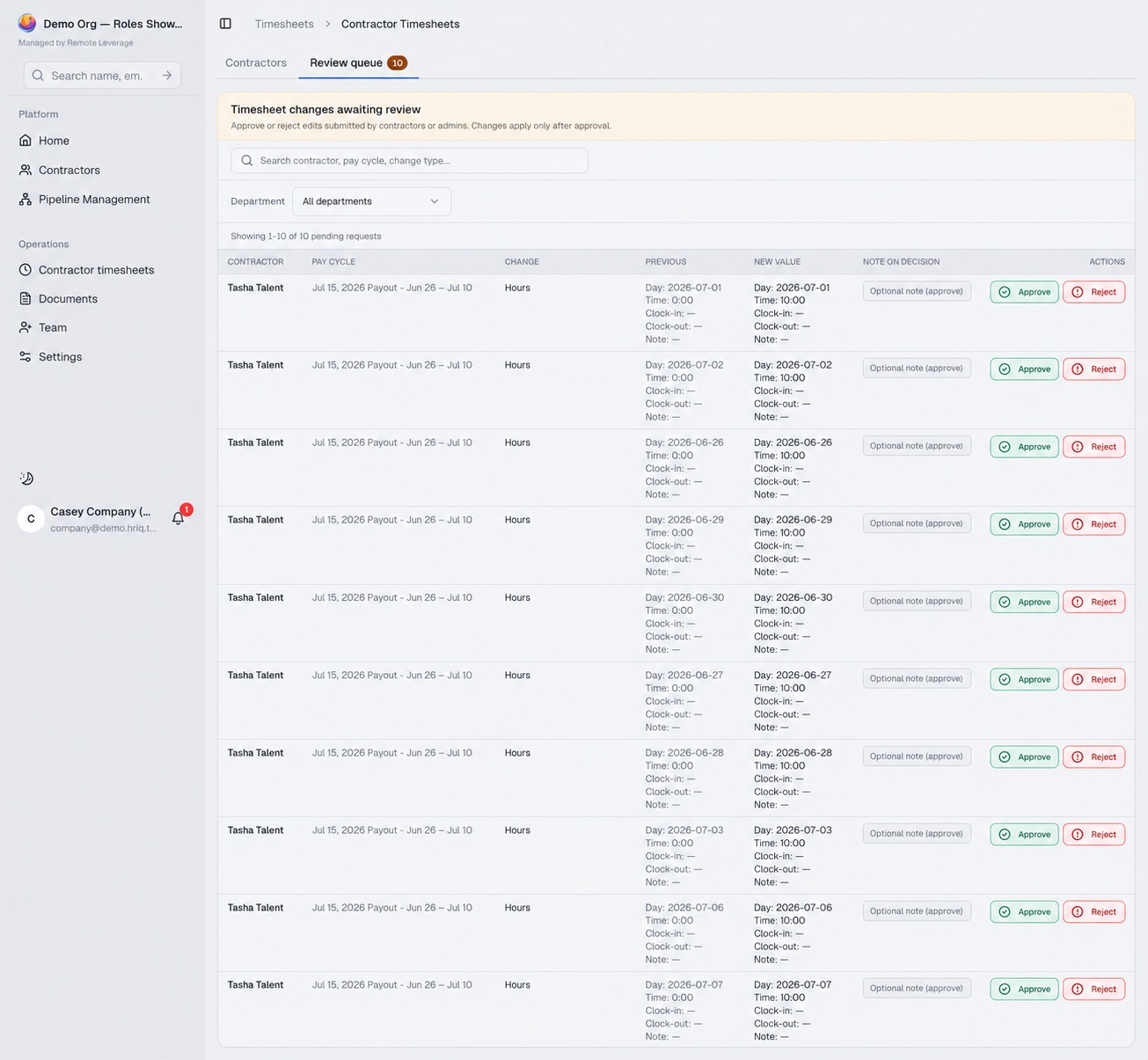
Examples and documentation that keep decisions consistent.
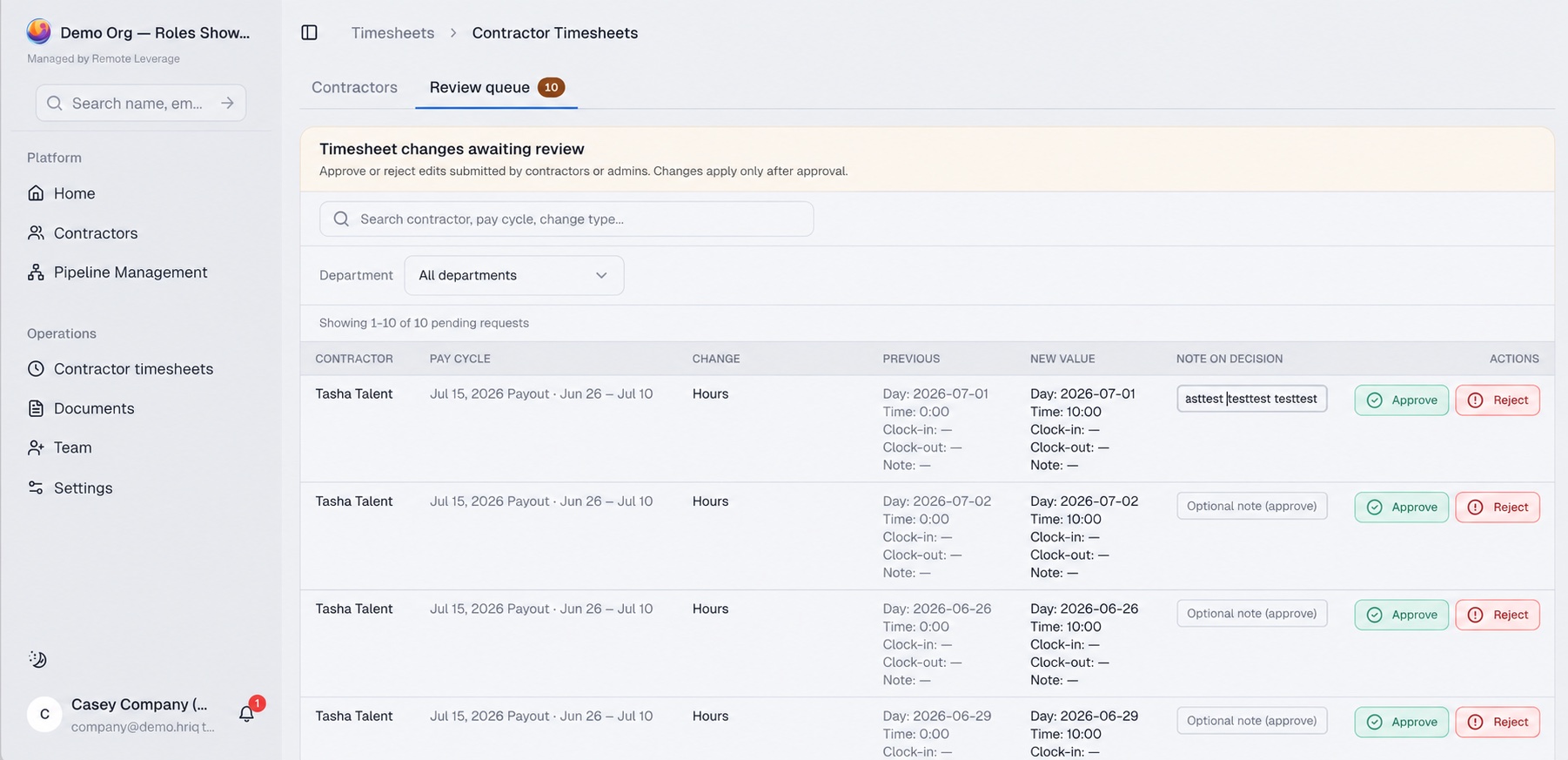
A rollout sequence, ownership expectations and an engineering handoff.
The design library and its documentation hand off to your engineering team, with a coded component library scoped separately.
Discuss your productThe system grows from the interface you already have and the states it really meets, then is governed so it stays one system.
What exists across screens, libraries, brand rules and code, and where it has drifted.
Tokens for colour, type, spacing and elevation that every component builds on.
Components with their loading, empty, disabled, error and success states.
How components combine in real workflows, and when to use which.
How changes are proposed and reviewed, and how teams move onto the system.
You have repeated interface patterns or several related product areas.
Design and engineering can agree how the system will be used.
There is an owner for decisions, contributions and maintenance.
You want to introduce the system through actual product work.
Share where the product is and what has to change. We will come back with a useful scope and a realistic next step.
What we need from your team, who does what, and what happens after the handoff.
After the first scope The system extends as it is adopted, one product area at a time; a coded component library is a separate engagement with frontend engineering. Usually 6–12 weeks for an agreed scope.
We now have a full design system and user journey ready for development, perfectly aligned with our vision.
Tell us about the products, teams and libraries involved. We will discuss the shared patterns that would make the next phase of delivery easier to manage.
Message received.
Within 15 minutes, we’ll email you initial feedback and follow-up questions.
How To Build A Design System: practical guidance, examples and decision criteria from ANODA. Learn how the topic applies to your product and team.
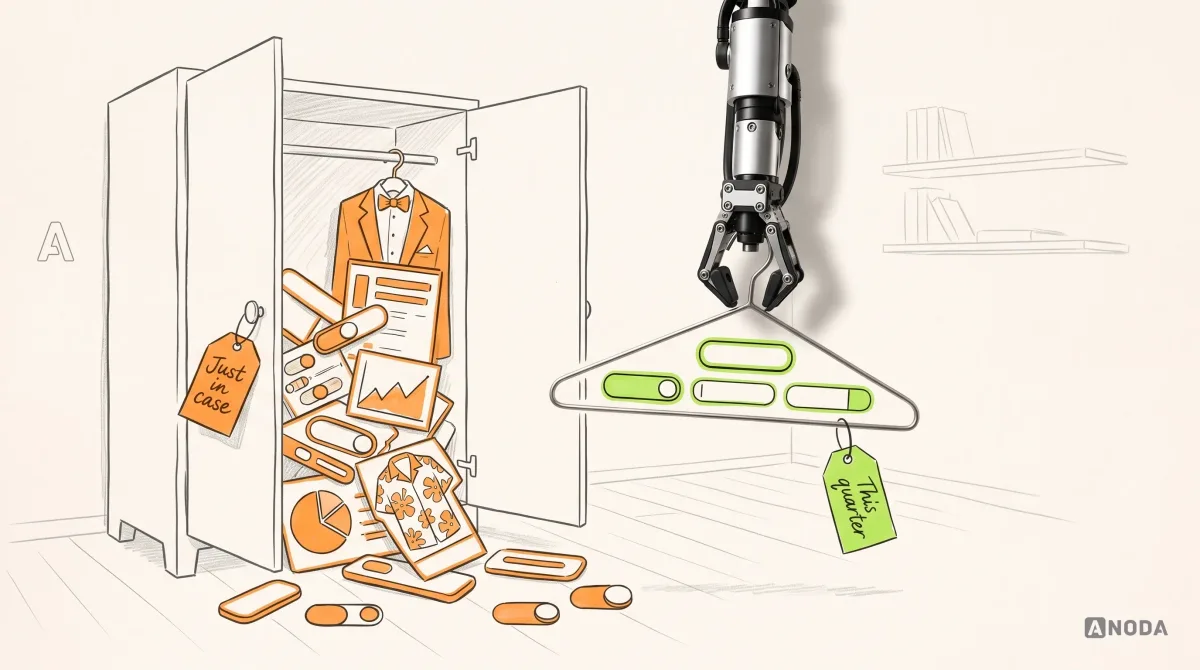
Learn what design system components include, how they differ from patterns and UI kits, and how product teams document, govern and scale them.
Usually the first step is to assess what already works. Existing components, brand rules and code can provide the basis for the system. We distinguish useful reuse from inconsistencies that need to be resolved.
A coded component library is included only when frontend engineering is explicitly scoped. The design system engagement can cover foundations, components, states and documentation in design, with a clear handoff to your engineering team.
Yes, when that requirement is part of the scope. We identify what should be shared and what needs a controlled variation. Different roles, product needs and themes should have explicit rules rather than become separate, drifting copies.
We consider accessibility in component behaviour, states and usage guidance and agree the relevant review criteria. A design library alone does not establish the accessibility of the implemented product; implementation and testing remain part of delivery.
Yes. We can start with a useful set of patterns and one product area, then extend the system as it is adopted. The sequence should account for existing code, release plans and dependencies rather than require an immediate full-product replacement.
Your team needs an agreed owner and a way to review contributions. We can define the initial guidance and discuss ongoing support, but continuing maintenance is a separate responsibility that should be made explicit before handoff.