
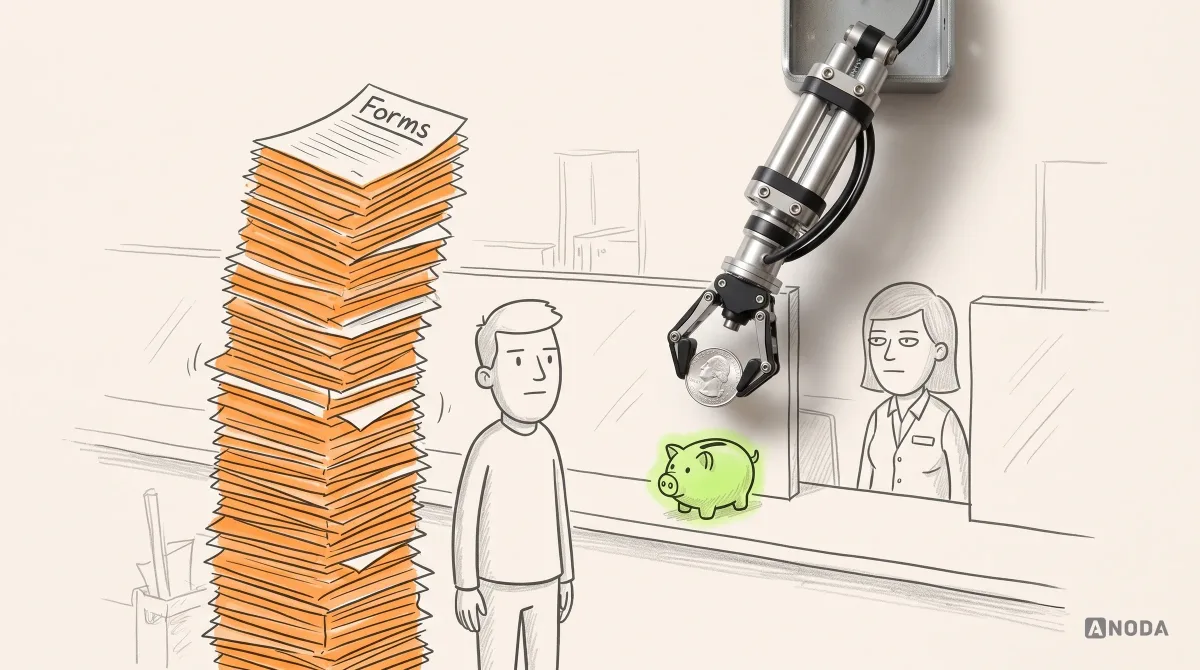
Financial App Onboarding: Design KYC Around Activation
Learn how to design financial app onboarding across signup, KYC, funding, first value, failure recovery, trust, and activation measurement.
Design the journey from a first sign-up to a portfolio an investor can read — the checks before the first order, the products and their risks, and how it has all performed since.

An investor understands what they own, what it risks and how it is doing.
Paying, getting paid and the status in between.
Investment Platform Design
Deciding, holding and following an investment over time.
Not included
The investor's journey designed end to end, with the data behind every screen.
From sign-up and checks to the first order and the months after it.

Identity checks, risk questions and account setup, with progress kept at every step.

Filters, comparison and product pages that set terms and risks beside the return.

Holdings, allocation, income and performance over time, readable on a first visit.
You receive
Investment app design has to make an abstract holding legible — what it is, what it risks, what it has earned. Every screen is drawn for these moments.
It fits when people put money into something they have to understand and follow over time.
Self-directed investors need to understand a product without an adviser beside them.
Terms, fees and risks have to be seen before an order, not found in a PDF after it.
Support hears 'why is my portfolio down?' more often than any feature request.
Your compliance and legal team set what must be disclosed; design decides how it reads.
A different starting point

Tell us who invests, in what, and where they hesitate today. We will come back with a useful scope and a realistic next step.
An investment platform is taken on through whichever service matches where it stands, and that service's proposal sets the terms.
Tell us what they invest in, on which platforms, and which questions reach support.
Message received.
Within 15 minutes, we’ll email you initial feedback and follow-up questions.
Learn how to design financial app onboarding across signup, KYC, funding, first value, failure recovery, trust, and activation measurement.
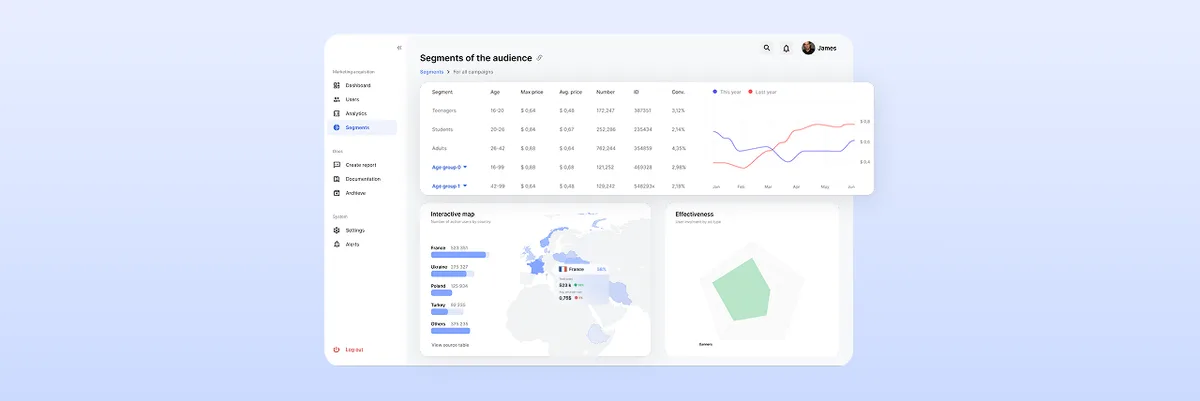
Learn the best dashboard UI design practices to enhance user experience. Improve data visualization and usability. Get expert insights at ANODA UX Agency today!
Look for a team that has designed dense financial products and can show the states behind the marketing screens: a verification that is still pending, a portfolio with no holdings, prices that arrive late, an order that has not settled. Ask how they set fees and risks beside a return, and who decided what had to be disclosed. Be wary of a portfolio that shows only a dashboard: the harder work is in onboarding, disclosures and the days the market falls.
An investor journey map, the onboarding and suitability flow, discovery and product pages, orders and confirmations, portfolio and performance views, statements, every state in between, a prototype and the UI. The size depends on how many products and investor types there are, the platforms, whether you are launching or already live, and how settled your rules and data are. Redesigning one journey, such as onboarding, is a smaller engagement than a new platform. There is no set price; whichever service you begin with writes its own scope into the proposal, and the timeline follows once scope, access and data providers are clear.
First-time and experienced self-directed investors, advisers or relationship managers where the product has them, and the operations, support and admin staff behind it. The workflows are sign-up and identity checks, suitability questions, funding the account, finding and comparing products — funds, shares or bonds — placing and cancelling orders, following holdings and income, statements and tax documents, and withdrawing. Joint and business accounts get their own onboarding and permission paths. Where an adviser is involved, we design what they see of a client's portfolio and what the client sees of their advice.
UI/UX & Product Design for a new platform; a UX Audit when a live product loses investors during onboarding; Product Discovery when the investor or the model is still unclear. Dashboard Design covers the portfolio and performance screens, and Web App Design and Mobile App Design each platform. Money moving between people belongs to Payment Product Design.
With the flows, not after them. Bonds get their own care: maturity, coupon dates, yield and what happens on an early sale are set out in plain words, with the source numbers one tap away. Each screen is drawn for pending checks, unfinished questionnaires, products an investor cannot buy, unsettled orders, delayed prices, losses and empty portfolios. Risk labels and fees sit beside the return, and delayed data shows its time. A permission matrix covers joint accounts and adviser views. What must be disclosed comes from your compliance team: we design how it reads, not what it says.
Test investors at different stages on the platform or staging; the disclosure rules as your compliance team sets them; onboarding and support data; a product owner who can decide; and a line to engineering and to the broker, custody and data providers. The questions investors send support after a bad week tell us most. If you serve several markets, bring the disclosure differences early: they change onboarding more than any other screen.
Not yet as a published case. The nearest published work is in fintech: Xcoins, where buying crypto on web and mobile runs through identity checks and rates that move while the buyer decides, with every fee shown before confirm; and Ark Mortgage, a borrower portal on web and phones, from the loan application to every task it asks for. Both show how we handle dense financial data, verification and states; neither is an investment platform, and we would not show them to you as one.
Yes. Most investment work starts from a product investors already use, where changes must not confuse people about their own money. Your designers, engineers and compliance team review each screen in your own files, and everything we make is handed over. When the platform grows — new products, new markets, an app beside the web version — we set up components for holdings, charts, risk labels and order states, so each new screen reads like the rest.