
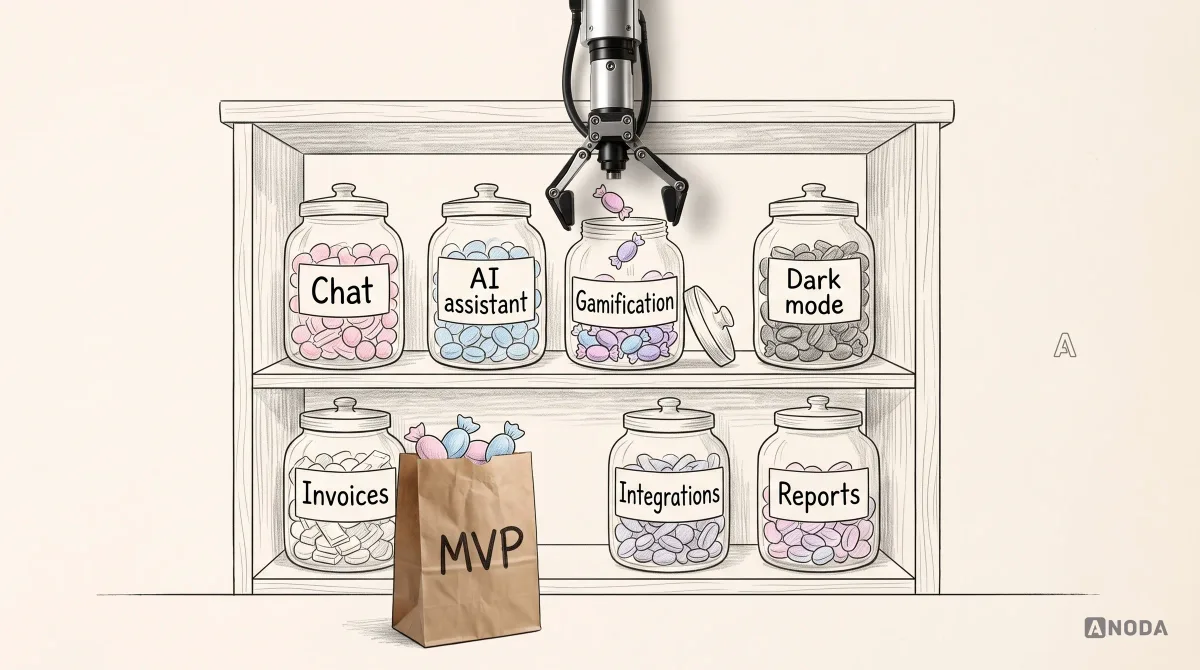
How To Build An MVP App
How To Build An MVP App: practical guidance, examples and decision criteria from ANODA. Learn how the topic applies to your product and team.
Get the first release of your product built and in front of real users — cut to what proves its value, on a stack that will not need a rewrite, tested, released and measured so you learn from it.

A small first release, built properly, so version two can grow on it.
Designs the first release, screen by screen.
MVP Development
Builds it, tests it and puts it live.
Not included
What you hold at the end, from the agreed scope to the first numbers.
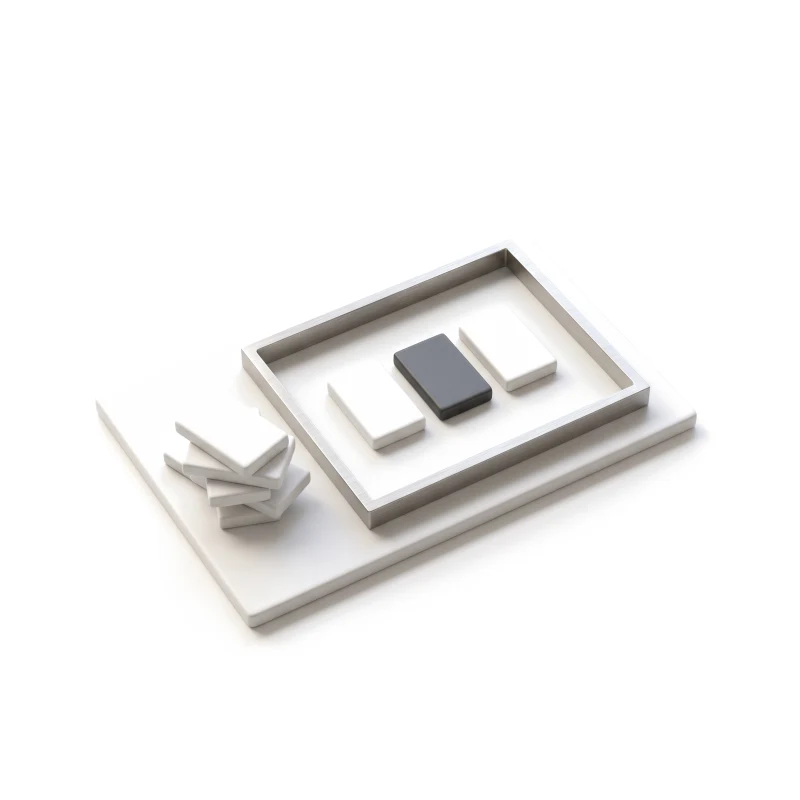
What ships, what waits and why, and the test that says each feature is done.
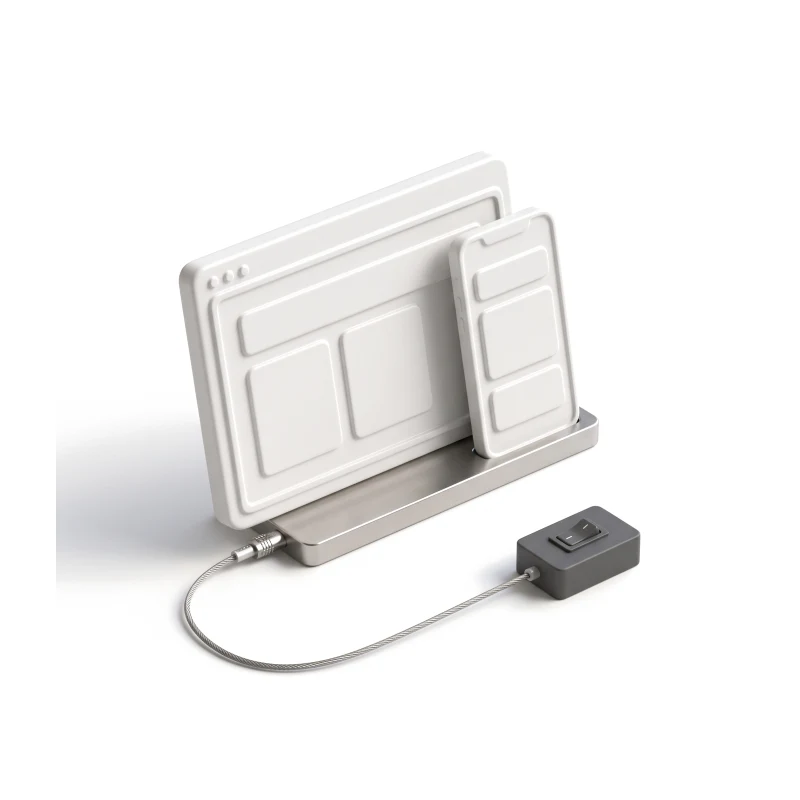
The core journey working end to end, on web, mobile or both, on your own accounts.
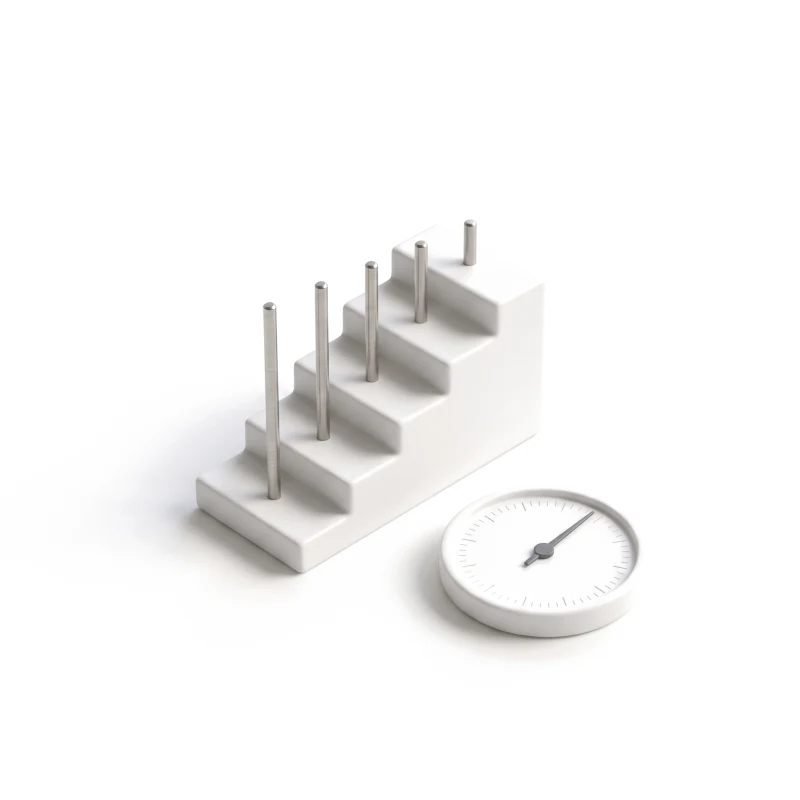
Events on the steps that matter and a dashboard that shows whether the value lands.
Test results, release notes, a technical guide and a map of who owns what next.
You receive
Our MVP development services keep the first release small but never disposable: the code under it has to carry the next ones. So who builds what, what each step needs from you and when it counts as done go in writing first.
The feature list cut down to the one journey that proves the core value. Everything else goes on a later list, each item with a reason. Needs The design or the product definition, and one person who can say no.
Done when Every feature in the release has a written acceptance criterion, and you have signed off the later list.
A stack chosen for the product you expect in two years, not for the demo. Sign-in, the data model, environments and automatic deploys come first. Needs Your repository and cloud accounts, and any stack your team already runs.
Done when A test user signs in to an empty version of the product, deployed from the repository without manual steps.
Each part of the journey built end to end — screen, logic and data — and shown working before the next one starts. Needs Approved screens for each slice, and a review with you every week or two.
Done when You complete the slice yourself with realistic data, on the devices and browsers agreed.
Payments, email, maps or other services connected, with every failure logged and handled rather than lost. Needs Accounts and test keys for each service, and its plan limits.
Done when Each integration works in test mode and fails safely when the provider does not answer.
The core journey, accessibility, security basics and speed checked; monitoring and a way to roll back in place; the store or web release prepared. Needs Test users, store and domain access, and the person who approves the release.
Done when The agreed test cases pass, errors reach a named owner, and you sign off the release.
The numbers the release was built to test, read with you once real users arrive, and turned into a ranked list for the next release. Needs The questions the release must answer, and who reads the numbers.
Done when The dashboard shows the agreed events from real use, and the next release list is ranked against them.
ANODA builds
Your team owns
Platforms and tools provide
It fits when you know what the first release has to prove and want it built well the first time. Four signs it is the right step now.
You can name the user, the core journey and the one thing the release has to prove.
Approved designs exist, or the design is finishing and can run a step ahead of the build.
You have no engineers yet, or yours are busy keeping the main product running.
A demo that is thrown away after the first users is not what you are paying for.
Tell us what the product is for and where the design stands. We will come back with a first scope and a realistic next step.
The release scope, stack, integrations and review rhythm are agreed before the build.
Tell us what the product does, who it is for, where the design stands and which platforms the first release needs.
Message received.
Within 15 minutes, we’ll email you initial feedback and follow-up questions.
How To Build An MVP App: practical guidance, examples and decision criteria from ANODA. Learn how the topic applies to your product and team.
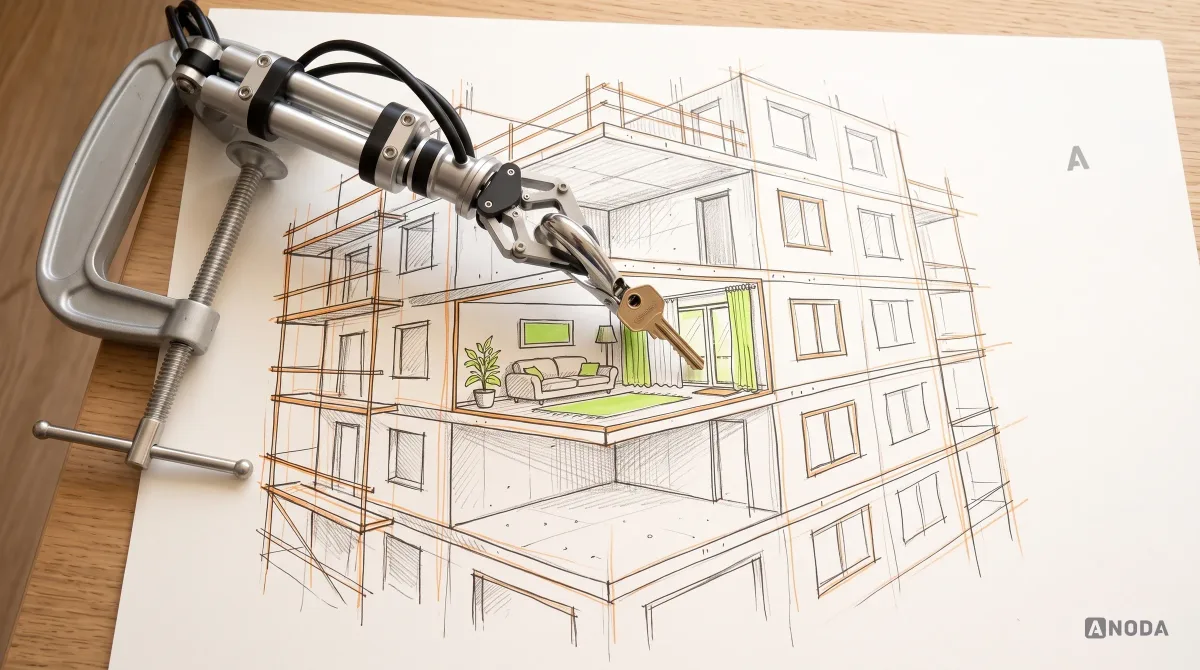
Learn how MVP UX design turns a product hypothesis into a usable, testable experience through focused research, prioritization, prototyping, and iteration.
Ask to see software the team has built and released, not only designs — a strong design portfolio says nothing about code. Ask who will write the code, how they decide what stays out of the first release, how they test and roll back, and what you own at the end. Our published build is Payyro, a crowdfunding platform we designed and built, its first release on Webflow and Wized and a second version now in development; it is a full platform, not an MVP. Runners High shows how we design an MVP, and it is design work only. We have not yet published a case of an MVP we built, so on your project the first working slice is the first proof you see and approve.
Good MVP development services start by cutting the scope to the one journey that proves the core value, with an acceptance criterion for every feature that stays. Then comes the stack and foundation — sign-in, data model, environments and automatic deploys — the core journey built slice by slice, the integrations it needs, such as payments or email, testing, and the release itself, with monitoring and a way to roll back. Analytics are part of the build, so the release answers the questions it was made for.
Start with development when you can say what the first release must prove and the screens are designed, or will be one step ahead of the build. If the screens and flows are not designed yet, start with MVP Design; design and build can also run as one engagement. If you are not sure what the first release should be, Product Discovery settles that first. If a backend already exists and only the interface is missing, Frontend Development is the better fit.
We choose for the product you expect to run in two years, not only for the demo: how many users and how much data it may need to handle, whether it has to run on web, phones or both, which services it depends on, and who will maintain it. We prefer widely used tools your next hires will know, and reuse your team's stack where one exists. The choice is written into the scope with its trade-offs, so you approve it before any code is written.
A clear picture of the product and what the first release must prove; approved designs, or a plan for them; access to or a plan for your cloud, domain, app store and payment accounts; content, terms and a privacy policy; and one person who can settle scope questions quickly. If some of this is not ready, scoping can start while it comes together.
You own the code from the first day: it lives in your repository and the product runs on your accounts. At handoff you receive the release live, test evidence, release notes, a technical guide to the architecture, integrations and deploys, the analytics dashboard, and a walkthrough with whoever will run the product next — our team or your own engineers.
The number of journeys and roles in the first release, the platforms — web, iOS, Android or several — how many services it connects to and how open their APIs are, how much design already exists, and how much data and security work the product needs. We set a custom scope and estimate in the proposal, fixed or phased, and agree the timeline once scope, access, dependencies and acceptance criteria are clear. Keeping the first release small is the main lever: every feature that waits is budget you keep for what the first users teach you.
Designing the product from scratch, marketing and user acquisition, and licences, hosting bills, store fees and other third-party costs, which stay in your accounts. App store review and provider outages are outside our control; we prepare for them rather than promise them away. We promise no traction, sign-ups or investment, and no security, compliance, performance or uptime level beyond the acceptance criteria agreed in writing.
We read the first numbers with you and rank what the next release should change. From there the work can continue with us, each part on its own scope: Usability Testing to watch real users try the product, a UX Audit if people drop off somewhere nobody can explain, and Web App Development or Mobile App Development as the product grows past its first release. Or your own engineers take over with the code, the guide and the walkthrough.