Marketplace UX Design for Buyers, Sellers and Trust
Design a marketplace where buyers find value, sellers succeed and both sides trust the transaction. Learn the UX decisions, patterns and metrics that matter.
Design the product every side of your market uses — how buyers find and trust a listing, how sellers join and get paid, and the tools your team runs it with.

Every side of your market, designed as one product, with the tools to run it.
Availability, reservations, changes and cancellations.
Marketplace Design
How the sides meet, trust each other and get paid.
Not included
The buyer's, the seller's and the operator's product, designed together.
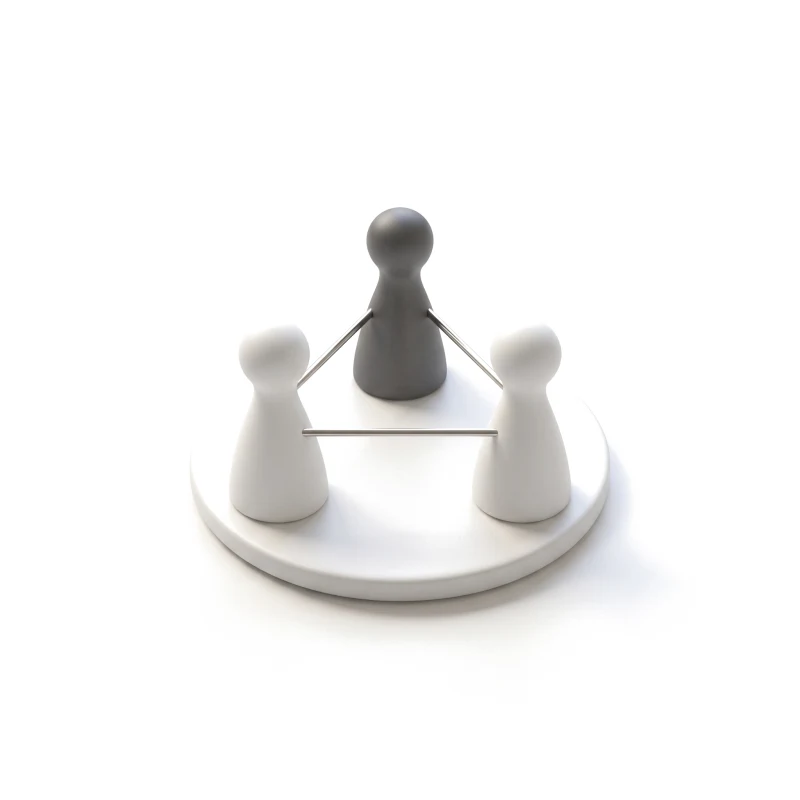
Who buys, who sells, who runs it, and what each can do.
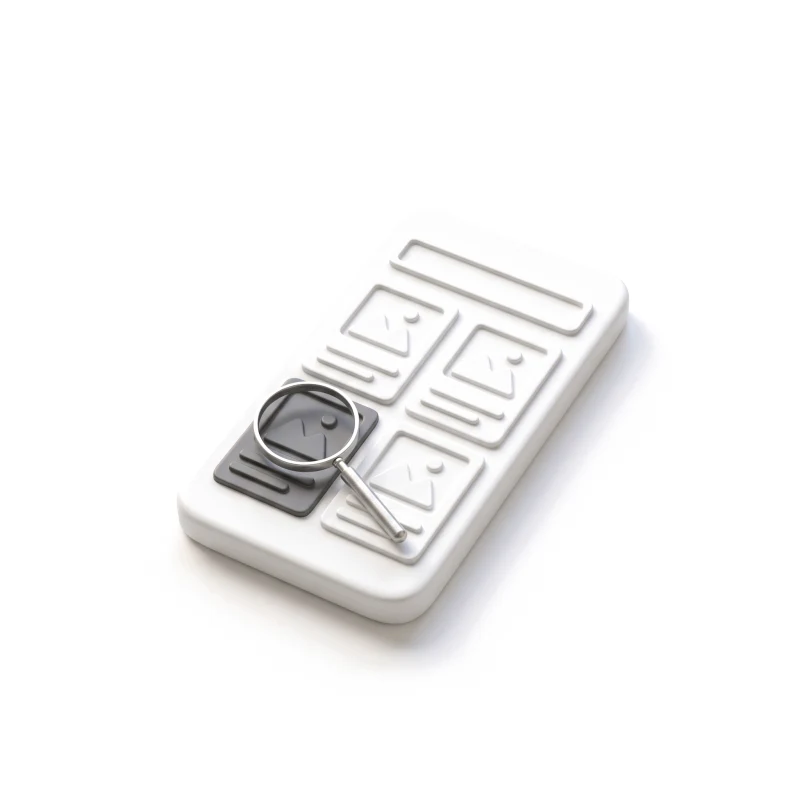
Search, listing pages, trust signals and checkout.
Joining, verification, listings, offers and payouts.
Moderation, disputes, payouts and the health of the market.
You receive
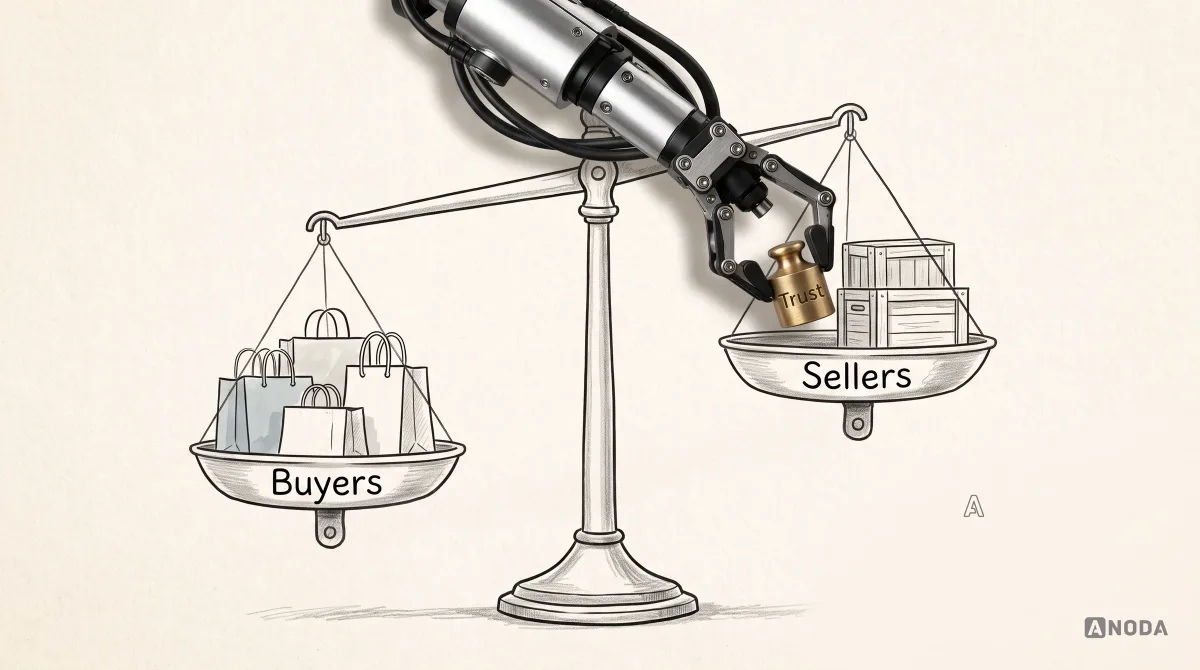
Good marketplace UX design makes two people who have never met willing to trade. In B2B, B2B2C or C2C, each side gets its own journey and the operator sees both.
Two- and three-sided products, each with the operator behind it.

Automotive · Marketplace · Web platform
Redesigned a car marketplace where buyers describe the car and dealers compete with offers — search first, sign-up later, one homepage for two opposite goals.
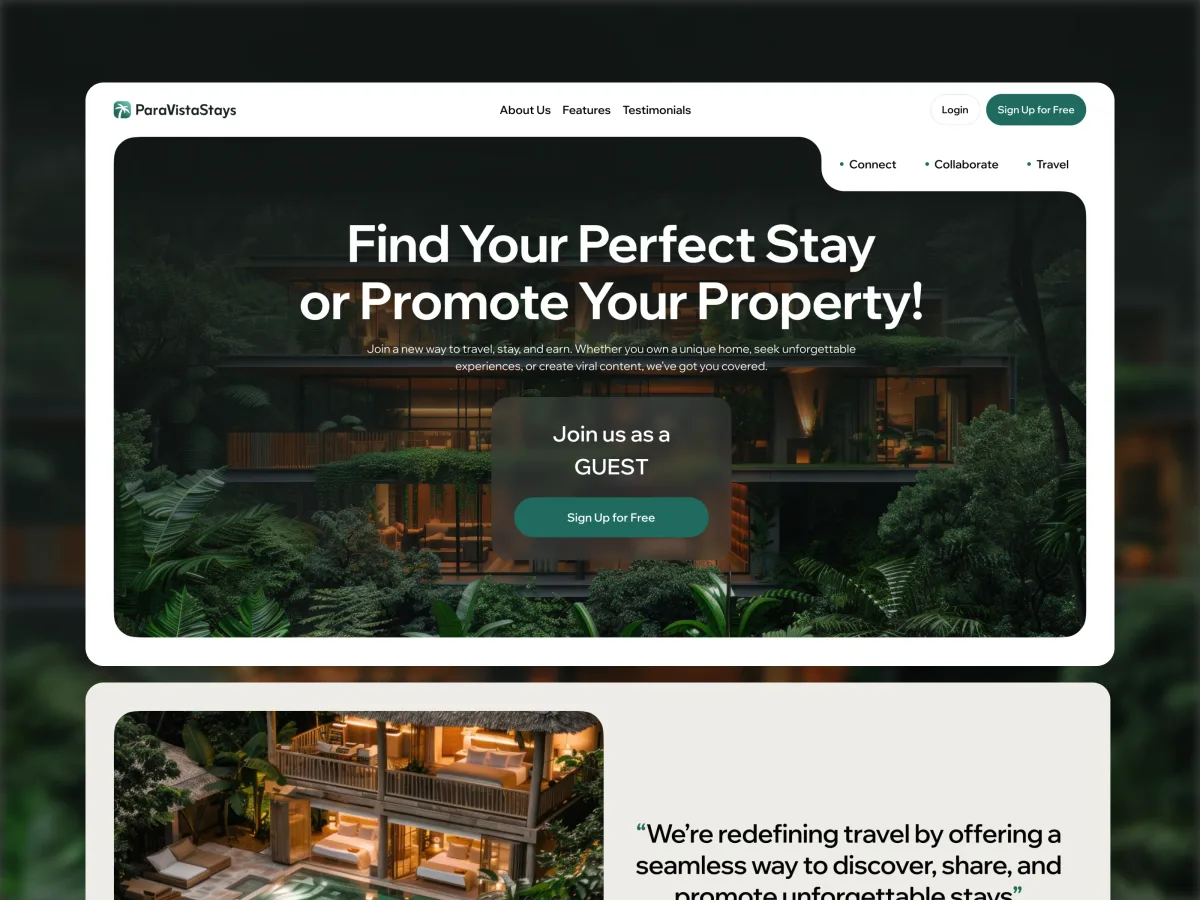
Travel · Marketplace · Mobile-first web + Admin + Landing
Redesigned a villa marketplace for travellers, hosts and creators — role dashboards, approval queues for people and listings, and a hub where stays are traded for content.
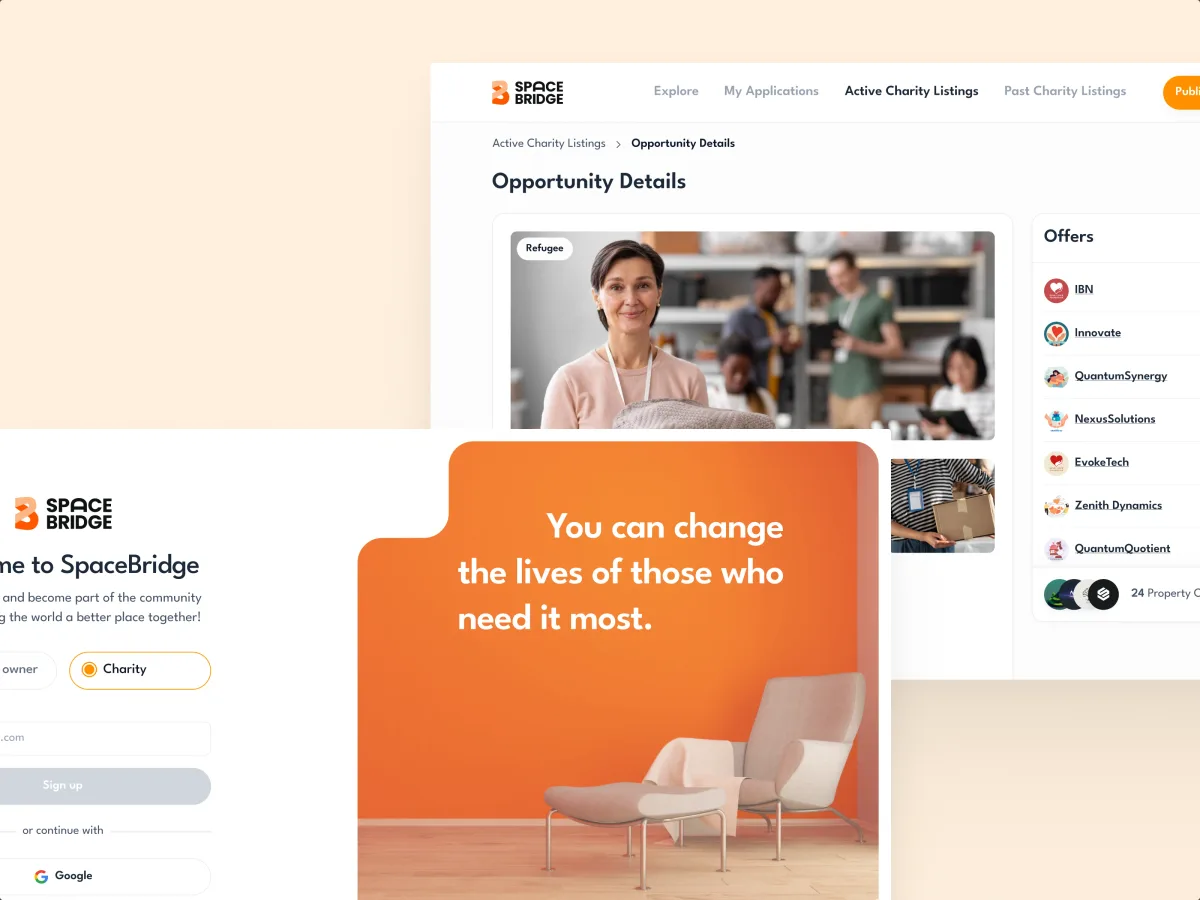
PropTech · Charity · Web SaaS
Designed a platform where property owners list free or discounted space and charities find it — two roles, each with its own product, discovery from either side.
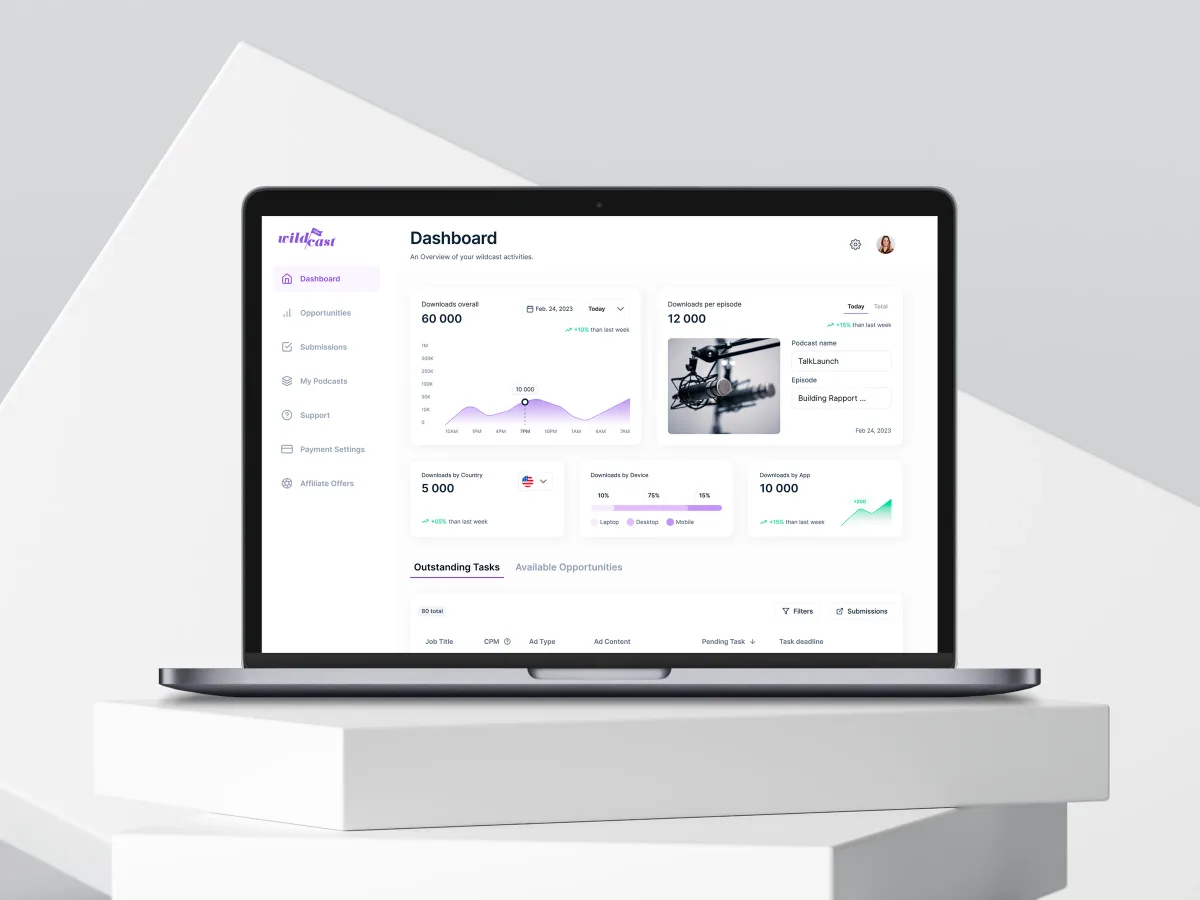
UI/UX Design, Web App
Redesigned the advertiser, podcaster and admin portals of a podcast-ad marketplace, with dashboards that show both sides whether a campaign works.
It fits when the product only works if more than one side shows up and trusts the other.
Buyers and sellers, or clients and providers, each need a reason to sign up and return.
Buyers want reviews and verified sellers before they pay; sellers want to know they will be paid.
Your team approves listings, settles disputes and releases payouts.
An in-house or partner team will develop the product from the design.
A different starting point
Tell us who buys, who sells and who runs the market. We will come back with a useful scope and a realistic next step.
Marketplace work starts through the service that fits your stage, and its proposal sets the terms.
ANODA gave the marketplace a clearer design direction, from the first vehicle search to the seller journey. Bringing the identity and interface work together made it easier to review the product as a whole and decide what the development team should build.
Tell us what is traded, on which platforms, and where deals fall through today.
Message received.
Within 15 minutes, we’ll email you initial feedback and follow-up questions.
Design a marketplace where buyers find value, sellers succeed and both sides trust the transaction. Learn the UX decisions, patterns and metrics that matter.
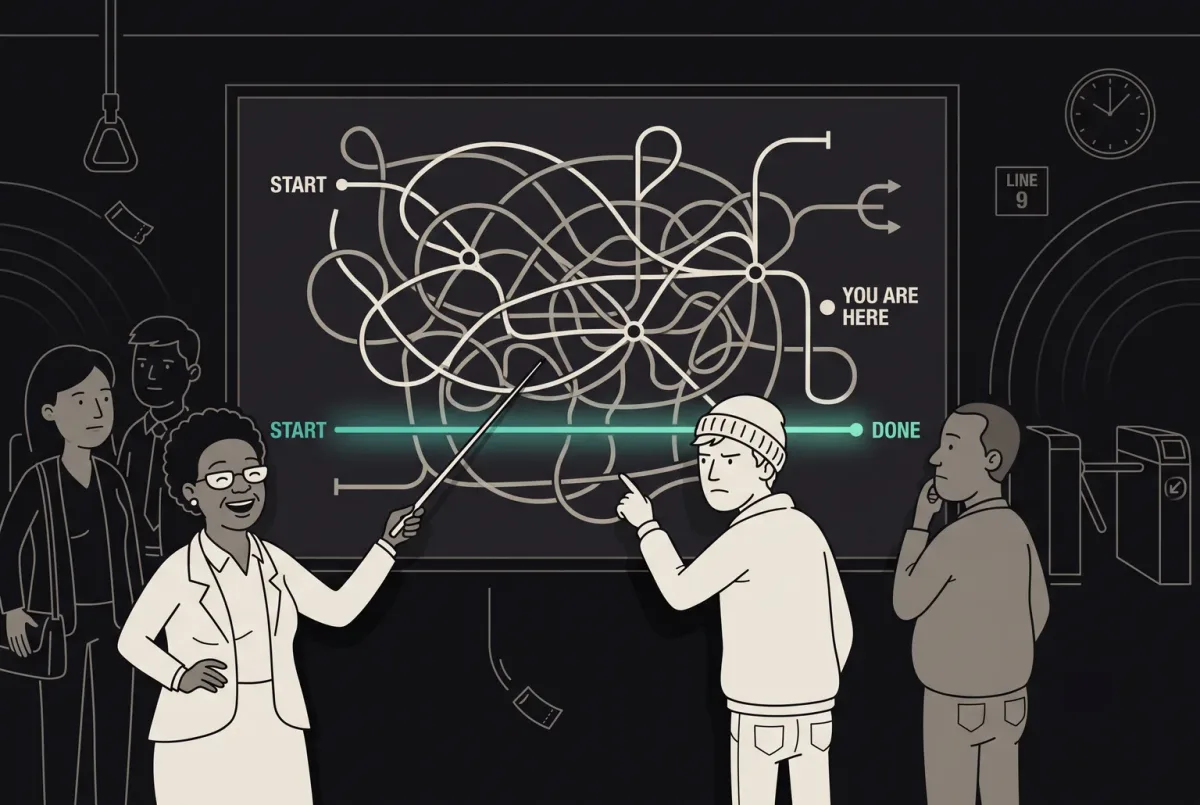
Improve user flow with ANODA UX Agency. Discover principles, tools, and strategies to design seamless, intuitive UX. Start improving your user experience today!
Look for a team that has designed more than one side of a real marketplace and can show the work behind the screens: how a seller gets verified, what a buyer sees when a search finds nothing, how a dispute reaches the operator. Ask which roles they designed for, whether the operator's tools were designed or left for later, what was built and who on the team did the work.
A role and workflow model, the buyer and seller journeys, listings and search, reviews and verification, checkout and payouts, messaging, the operator's tools, a prototype and the UI with its states. Cost and timeline depend on the number of sides and roles, the platforms, whether the product is new or live, and the evidence you already have. The service you start with sets a custom scope in its proposal, and the timeline is agreed after scope, access and dependencies.
Buyers, sellers or providers, their team members, and the operators and support staff who run the market. The workflows are joining, listing, searching, comparing, messaging, making an offer, paying, getting paid, reviewing and disputing. The model changes the weight: B2B needs quotes, approvals and invoices; B2B2C design serves a business's tools and its customers' journey at once; C2C marketplace design leans hardest on identity, reviews and safe payment, because both sides are private people.
It depends on the stage. Product Discovery when the model or the first side is unclear; MVP Design for a first release around one core loop; UI/UX & Product Design for the whole product; a UX Audit when a live market loses one side; UI Redesign when only the interface has aged. Web App Design and Mobile App Design cover each platform, Dashboard Design the sellers' and operators' numbers, and Web App Development builds it. Availability and reservations belong to Booking & Reservation.
With the flows, not after them. Each screen is drawn for a listing in review, an unverified seller, a search with no match, an offer with no reply, money held before payout, a refund, a dispute and a suspended account. A permission matrix sets out what each side and the operator can see and do. Messaging gets its own rules: what can be shared before a deal, and when the operator can step into a thread. For payments we design the states and messages around the provider you choose; its rules and compliance stay with your team.
Access to the product or staging with a test account for each side and the admin, the funnel data you have for each side, support and dispute themes, a product owner who can decide, and contact with engineering and the payment and identity providers you use or plan to. For a live market, the moments when either side writes to support tell us most.
Autodice, a car marketplace where dealers bid for the buyer — 3 roles served from one homepage. ParaVistaStays, a villa marketplace for travellers, hosts and creators — 347 unique screens. SpaceBridge, where owners offer space to charities — 2 user roles. Wildcast, a podcast-ad marketplace — 3 portals redesigned. EasyRent, a water-sports rental marketplace — 3 user roles: renters, suppliers and administrators. Each case shows its roles, flows and states, not only the finished screens.
Yes. Autodice, ParaVistaStays and Wildcast were all redesigns of products already in use. We work in your design files and system where they exist, alongside your designers and engineers. Where there is no system yet, we set up the parts a marketplace repeats — listing cards, filters, offer and payment states — and hand over everything we make.