

How to Expand Your Native App to the Web?
Expand your native app to the web with ANODA UX Agency. Discover strategies to reach new users, enhance functionality, and boost engagement. Contact us today!
Get a React front end your engineers can keep extending — shared components, predictable state, typed API calls and tests — built from agreed designs and released on your stack.

A React front end built to last, so a new feature stops breaking an old one.
Builds the interface on whichever stack your team already runs.
React Development
Builds it in React, with the architecture, state and tests set up to last.
Not included
What you hold at the end, from the written scope to the release.
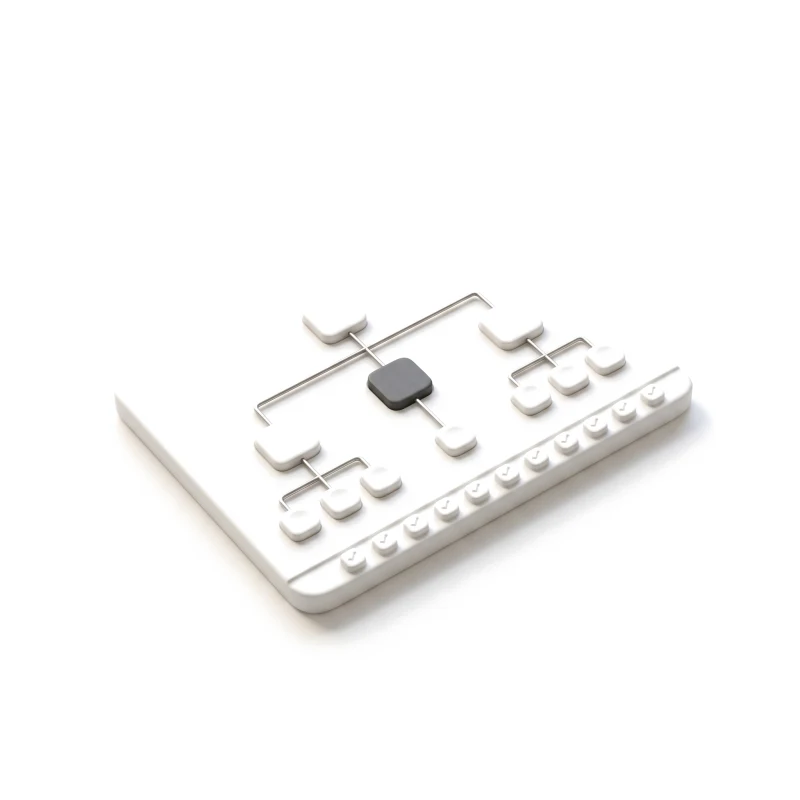
Screens, components, data sources and the test each feature must pass, agreed first.
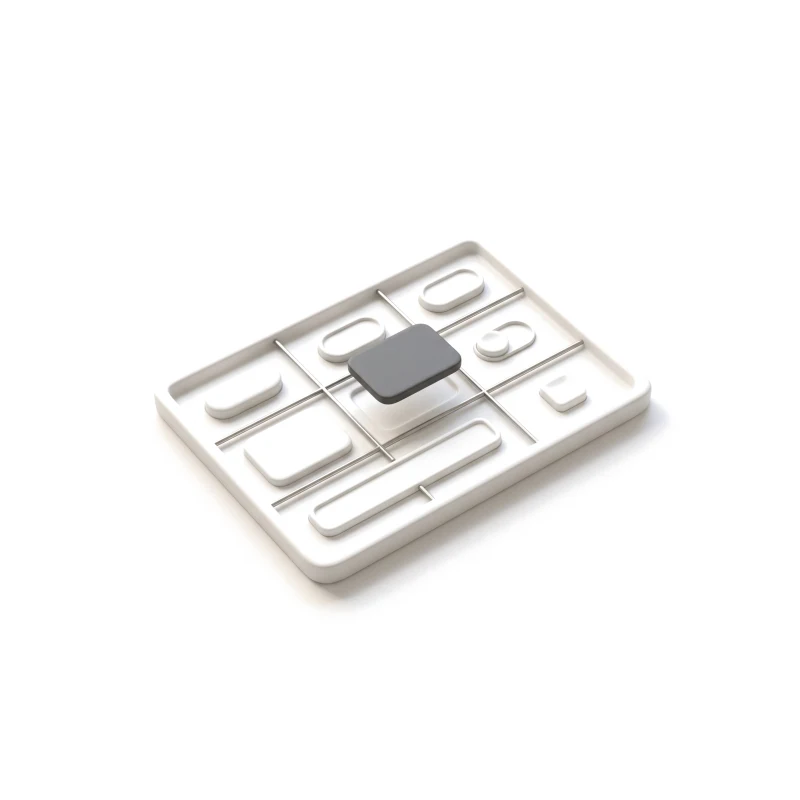
Reusable, typed components and every screen in scope, with each state the design defines.
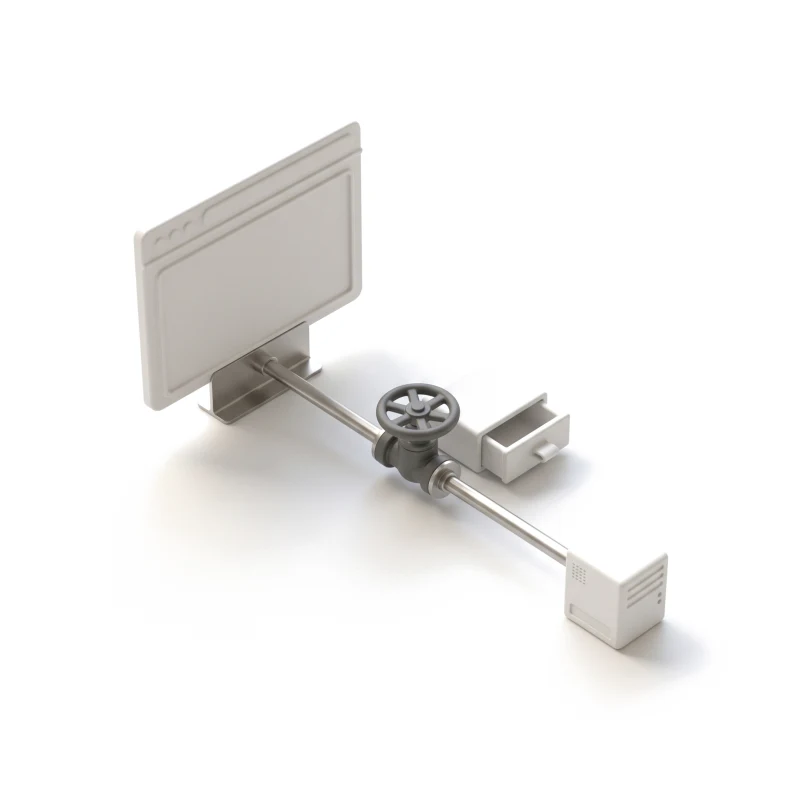
API calls, caching, validation and error handling, plus the third-party services in scope.
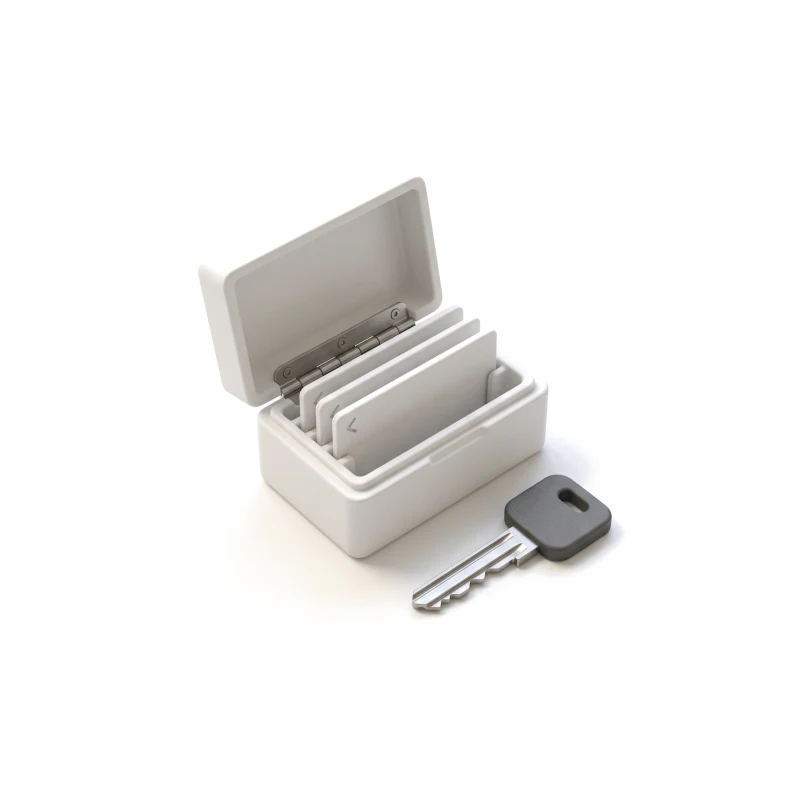
Automated tests, a deployment pipeline, release notes and a map of who owns what next.
You receive
As a React development agency we write down the split of work, the order of the build and the test for each step before the first component. That is what keeps a React codebase maintainable after we leave.
Repository, TypeScript, linting, design tokens and the component library set up; every change built and tested automatically. Needs Approved designs for the first screens, and access to your repository or a new one.
Done when A first screen built from library components passes the pipeline and runs in a preview environment.
Each screen or workflow built end to end — components, state and API calls — and shown working before the next one starts. Needs A product owner who reviews each slice within the agreed window.
Done when The slice passes its acceptance criteria with real API data, in every state the design defines.
Server data cached and kept in sync, forms validated, and sign-in, payment and analytics services connected. Needs API documentation, a staging backend and sandbox keys for each service.
Done when A slow or failed call shows a clear state, retries where that is safe, and is logged.
Accessibility, speed and security checked against the criteria; error monitoring switched on; a staged release with a way back. Needs Test users for each role, and one person who approves go-live.
Done when Keyboard and screen-reader checks pass, key screens meet the speed budget, and the previous build can be restored.
Code, component docs, test reports and every access handed to your engineers, with a walkthrough. Needs Your repository, hosting and monitoring accounts, or ones we transfer to you.
Done when Your engineers add a component and ship a change without us.
ANODA builds
Your team owns
Platforms and tools provide
React earns its weight on interfaces full of state and interaction. Four signs it fits now.
People filter, edit, drag and save, and screens change with data while they work.
Hiring, code review and future features stay on one stack.
A small feature breaks something unrelated, and nobody wants to touch the state logic.
A backend exists, or a team is building it alongside.
A different starting point

Tell us what the interface has to do and where the code stands today. We will come back with an architecture plan and a realistic next step.
The screens in scope, the stack, the acceptance criteria and the review rhythm are agreed before the build.
Tell us about the screens, the API behind them, and whether you are starting fresh or working in an existing codebase.
Message received.
Within 15 minutes, we’ll email you initial feedback and follow-up questions.
Expand your native app to the web with ANODA UX Agency. Discover strategies to reach new users, enhance functionality, and boost engagement. Contact us today!
Compare UX designers and front-end developers by responsibilities, skills, tools, deliverables, career paths and how the two roles collaborate.
Ask to see code or a live app the team built, not only designs — a design portfolio says nothing about how a front end is engineered. Ask where they keep server data versus local state, how they split components, what they test automatically and how a failed API call reaches the user. Ask for a sample of acceptance criteria and a past handoff document. Our published case studies are mostly design work, so we don’t offer them here as React engineering; you judge us instead on the component plan and a first slice running against your API, both before you commit further.
A technical scope with acceptance criteria; the component architecture, design tokens and a shared library; every screen in scope with its loading, empty and error states; routing, state management and a typed API layer; the third-party services in scope; unit, integration and end-to-end tests with a deployment pipeline; accessibility, speed and security checks; error monitoring; and a staged release followed by the handoff. Libraries are chosen in the scope to suit your team, not fixed in advance.
React Native builds iOS and Android apps; this page is about interfaces that run in the browser. Plain React suits apps behind a sign-in, such as dashboards, admin tools and editors, where search engines never look. Next.js adds server rendering and routing on top of React, which matters when public pages must load fast and rank. A content site with a handful of widgets rarely needs React at all; Astro serves it as plain HTML. We settle this in the scope, before any code.
Yes. We start with a short review: dependencies and how out of date they are, where state lives, how components are shared, what is tested and what breaks most often. Then we agree whether to refactor in place or replace the worst parts screen by screen while the app keeps running. We avoid a full rewrite unless the review shows it is cheaper, and each step ships behind the same acceptance criteria as new work.
When it is scoped, yes. A React engagement assumes a backend exists or is being built by your team, and we agree the API contract with them. If you need the server, database, roles and hosting built too, that is Web App Development, and the front end is one part of it. If the product is not designed yet, Web App Design or Product Discovery comes first.
Approved designs for at least the first screens, access to your repository or a decision to start a new one, API documentation with a staging backend, sandbox keys for any payment, sign-in or analytics service, and one product owner who can accept each slice. If the design or the API is still moving, the foundation and component library can start while they settle.
As written acceptance criteria agreed before the build. Typical ones: keyboard and screen-reader use on key flows, contrast and focus states, a size and speed budget for key screens, no secrets in the browser bundle, dependencies scanned in the pipeline, and errors reported to a monitoring tool with a named owner. Each release is checked against them, and the results form part of your test evidence.
The source code in your repository, the build running on your hosting, documentation of the components and data layer, test reports, release notes, a runbook for deploys, and a map of who owns what after release. Your engineers can take over from there. Or fixes, new features, usability testing, a UX Audit or design work can continue with us, each on its own scope.
How many screens and workflows are in scope, how much state they share, how complete and stable the API is, how many third-party services connect, whether an existing codebase has to be reviewed first, the quality criteria you need, and how ready the design is. We set a custom scope and estimate in the proposal, fixed or phased, and agree the timeline once scope, access, dependencies and acceptance criteria are clear.
Designing the product from scratch, backend services and databases, native mobile apps, content, and the fees and account actions of your hosting and other providers, which stay in your name. User numbers and revenue are outside what code can promise; we answer for security, speed and uptime only as the scope defines them.