
Information Architecture in UX: A Practical Guide
Learn how to create information architecture for digital products: content inventory, taxonomy, navigation, card sorting, tree testing and iteration.
Design the beauty app someone trusts with their face — onboarding, personal routines, scans and try-on, and the home screen they come back to — so it feels like advice from a friend, not a verdict.

Beauty apps that know someone by the second visit, and never make them feel judged by a scan.
The camera view and what is placed in it.
Beauty & Lifestyle App Design
The whole beauty journey the try-on sits inside.
Not included
Onboarding people skip, scans that fail in bad light, a home screen that forgets them, a redesign that cannot touch the backend: how we answer each.
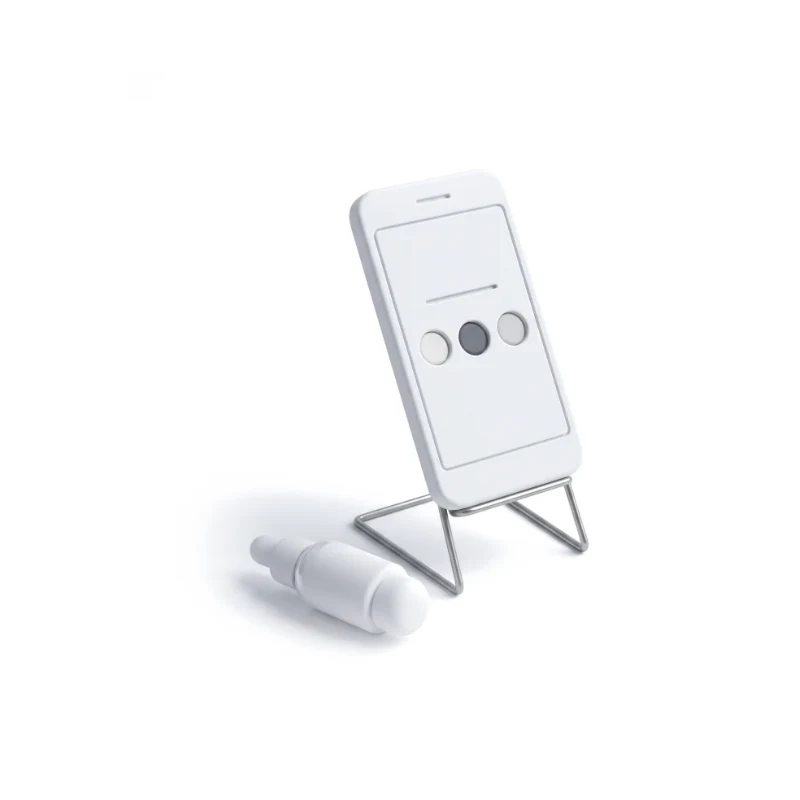
Skin type, goals and taste asked briefly, each question with a reason to answer it.
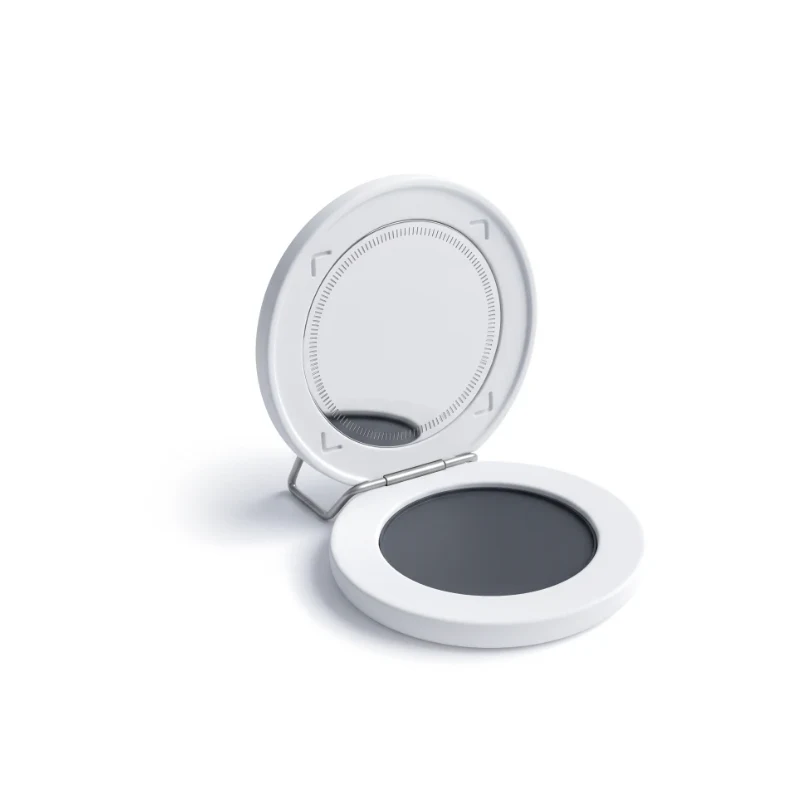
Framing, light hints, retakes and results that explain themselves in plain words.
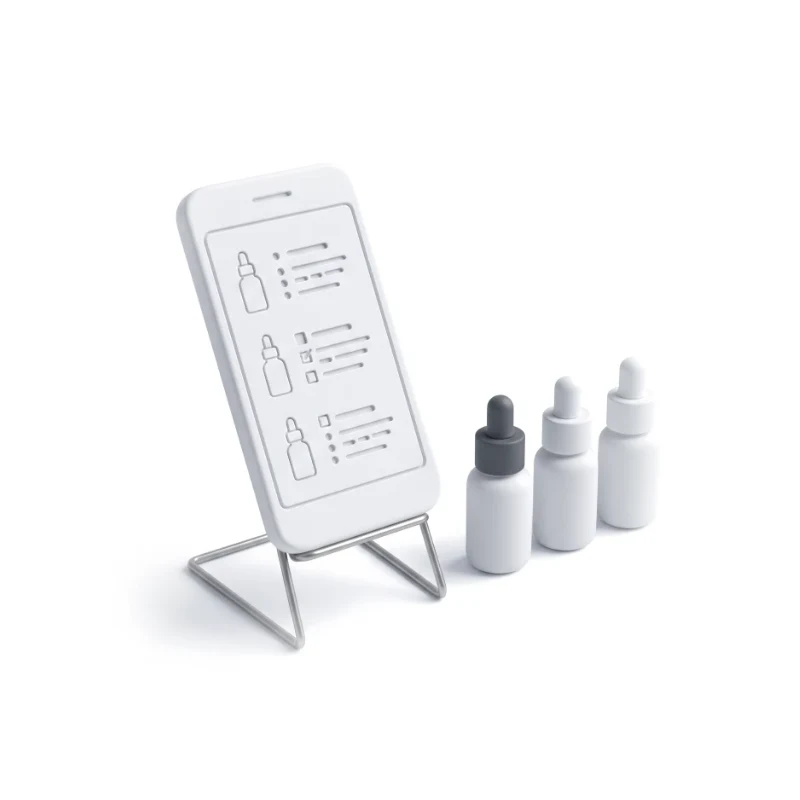
Routines, shades, guides and reminders that follow what someone told you.
Structure, glossary and interface renewed on the backend you already run.
You receive
Beauty app UX lives in the moments a camera or a quiz can get wrong — bad light, a declined camera, a shade that does not exist. We write and design each of those moments so the person still believes the next result.
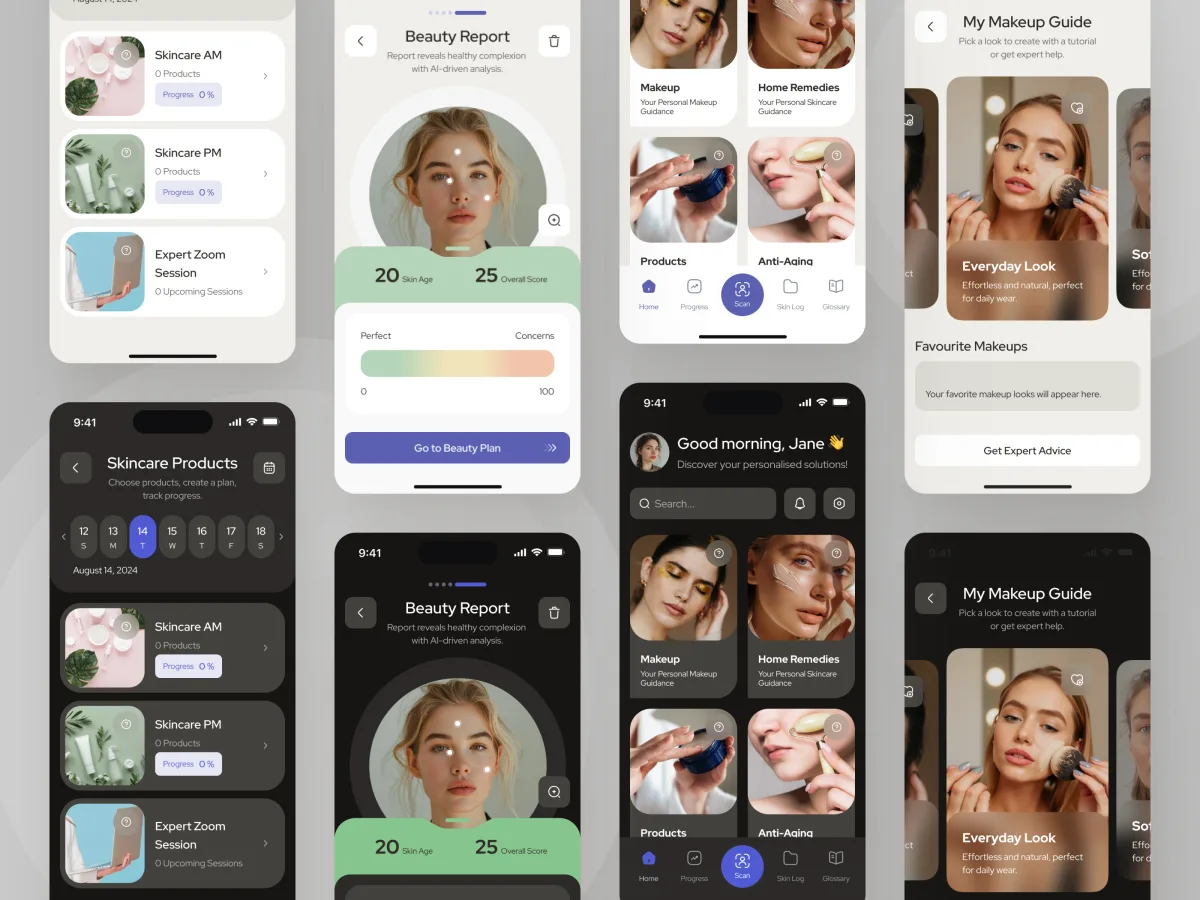
A live AI and AR skincare and makeup app, redesigned screen by screen on the backend it already had — every change had to fit the logic already running.
Beauty · Wellness · Mobile app
Audited a live AI and AR skincare and makeup app screen by screen, regrouped its menu, glossary and personalisation, and redesigned it on the backend it already had.
It fits when the product is personal and people come back to it. See how many of these apply.
A profile, a quiz or a scan decides what each person sees.
Scans, try-on or before-and-after photos sit at the centre.
Morning, evening, weekly or with the season.
Change must feel new without feeling like another product.
A different starting point

Tell us what your app asks, scans and recommends, and where people leave. We'll tell you whether to start with an audit, a redesign or a new build.
Scope, review points and what stays untouched in the backend are agreed in the proposal for the chosen service.
Describe your users and the moment they stop — at sign-up, at the first scan, or after the first week.
Message received.
Within 15 minutes, we’ll email you initial feedback and follow-up questions.
Learn how to create information architecture for digital products: content inventory, taxonomy, navigation, card sorting, tree testing and iteration.

Boost mobile app UX with expert tips from ANODA. Improve engagement, satisfaction, and performance. Contact us for professional UX design services today!
A mood board proves nothing; a shipped beauty product does. The right studio can show onboarding that earns personal data, the scan and try-on states a polished demo hides — bad light, a declined camera, no close shade — and how results are worded. Check whether each project was live or a concept, and which designers worked on it. Our Forever Beauty case is a live app redesigned inside its existing backend.
Onboarding and profile, quizzes, scan or try-on flows, the personal home, routines and settings, down to the failed scan and the empty routine, along with a prototype to try at a mirror, the UI and a documented component library. The budget moves with the number of journeys, whether a camera or AR layer is involved, whether a live app is redesigned on a fixed backend, and how many markets and languages it serves. Taking on one journey, onboarding or the scan for instance, needs less than the whole app. Figures and dates arrive with the proposal.
First-time users taking a quiz or a first scan; regulars following a routine; people who come back after months with new goals; and the consultants, artists or brand teams who advise them. They move from sign-up and onboarding through scan, results and try-on to the personal home, reminders, guides and the products or bookings that follow. Lifestyle apps built around a routine — hair, nails, grooming, wellbeing — follow the same pattern with different questions.
A new app is designed end to end through UI/UX & Product Design. When people leave before their first result, start with a UX Audit; one that works but looks its age starts with UI Redesign. The camera layer belongs to AR App Design, and the app itself to Mobile App Design. Design Systems keeps a large app consistent as it grows, and Brand Identity Design runs alongside when the app needs a fresh face.
Yes, as a design matter, and never as a certificate that the app complies. We design how results are worded so they never read as a diagnosis, where face photos are stored or deleted, what people consent to, and how the app points to a professional when it should. Where the law asks for a notice or consent, it gets a clear place in the flow, not a wall of text. No cosmetic or skin-health claim comes from us, and whether the app meets privacy or advertising rules where you sell is for your experts and legal advisers to decide.
A single decision-maker, a test build of the app, and test profiles that span different skin types, tones and goals. Also the rules on what the app may say, your reviews and analytics, and a session with engineering on the scan, recommendation and catalogue services, since they decide what a result screen can show.
Forever Beauty, an AI and AR skincare and makeup app with a live user base. We audited it screen by screen, regrouped its menu, glossary and personalisation, redesigned sign-up and onboarding, and laid a calm new interface over the existing logic. We describe the design work; the case makes no claim about the accuracy of its scans.
Yes — and often we must. Beauty apps usually have a live audience that knows the brand and a backend nobody wants to touch. The work happens in your own files and design system with your designers, engineers and brand team; the brand stays recognisable, loved features stay where people look for them, and you receive everything, documented down to each component state.