

Importance Of Mobile App Engagement
Discover proven mobile app engagement strategies with ANODA UX. Learn to boost retention, improve metrics, and foster lasting connections. Get started today!
Design the app people open to decide where to eat tonight, and the tools venues use to earn that choice — discovery, listings, reviews and rewards, for guests and owners in one product.

Food products that help a guest choose and a venue get chosen, in one app, from the same listings.
Slots, calendars and reservations for any service.
FoodTech & Restaurant Product Design
Choosing the place, before anyone books a table.
Not included
Diners who cannot decide, owners lost in the guest's screens, stale listings, reviews nobody trusts — and how we design around each.
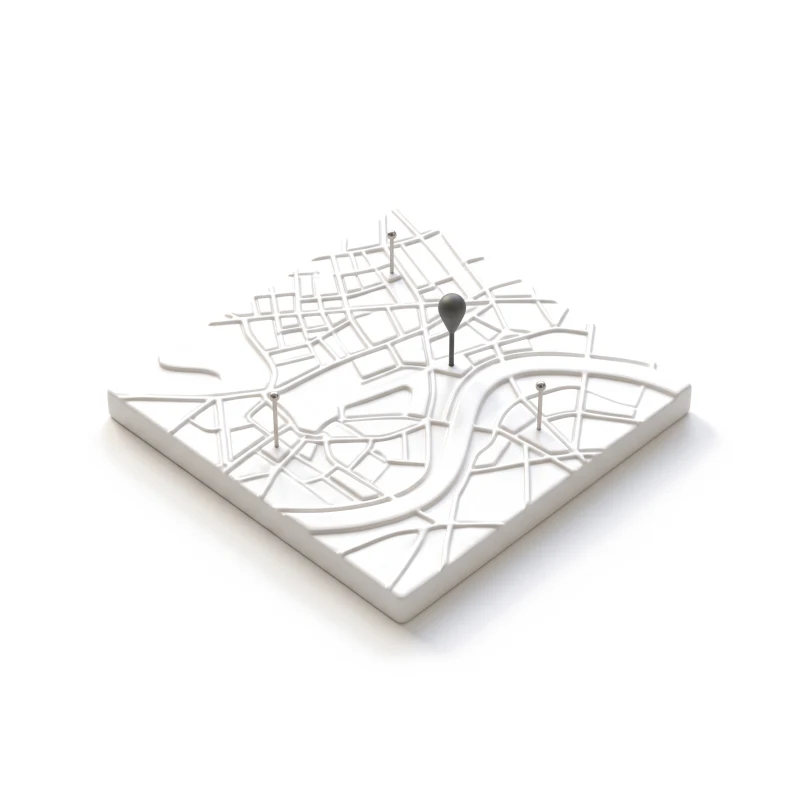
Map, list and filters that narrow a city to three places worth walking to.
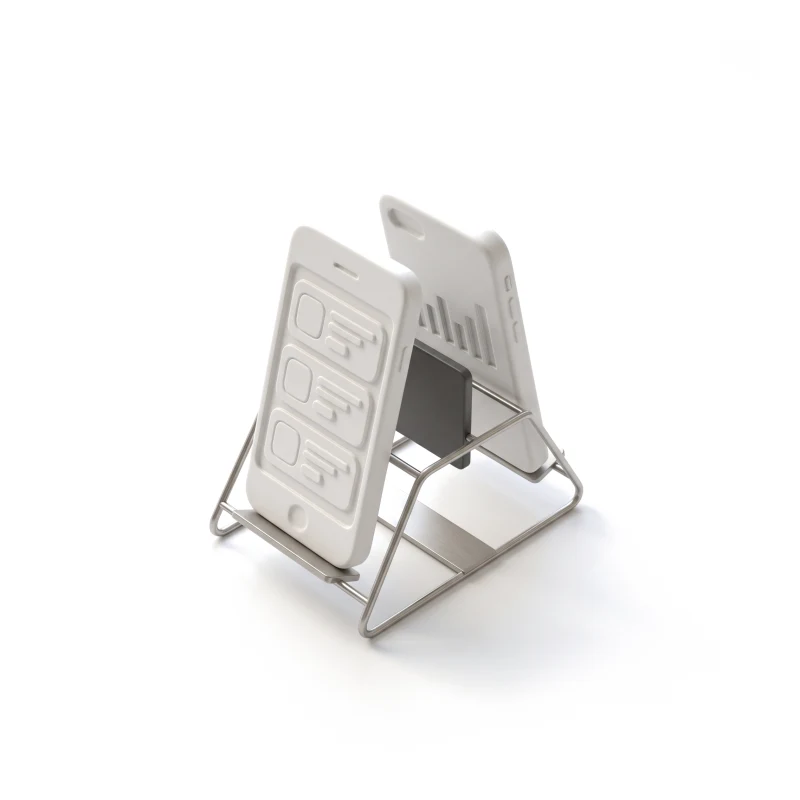
Guests browse and judge, owners are judged — neither wades through the other's screens.
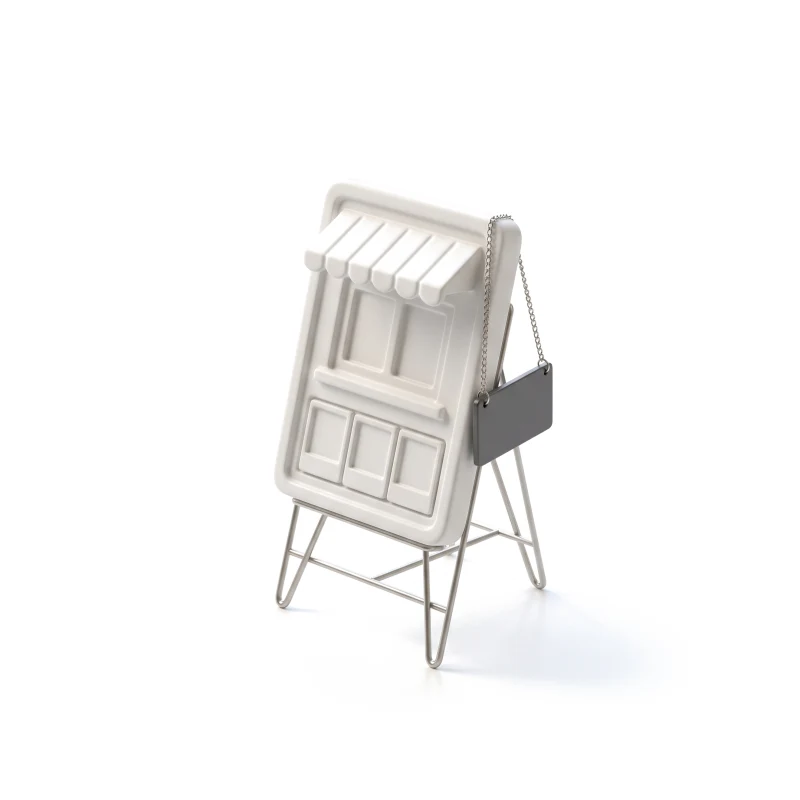
Photos, hours, menus, replies and visitor trends, managed from one profile.
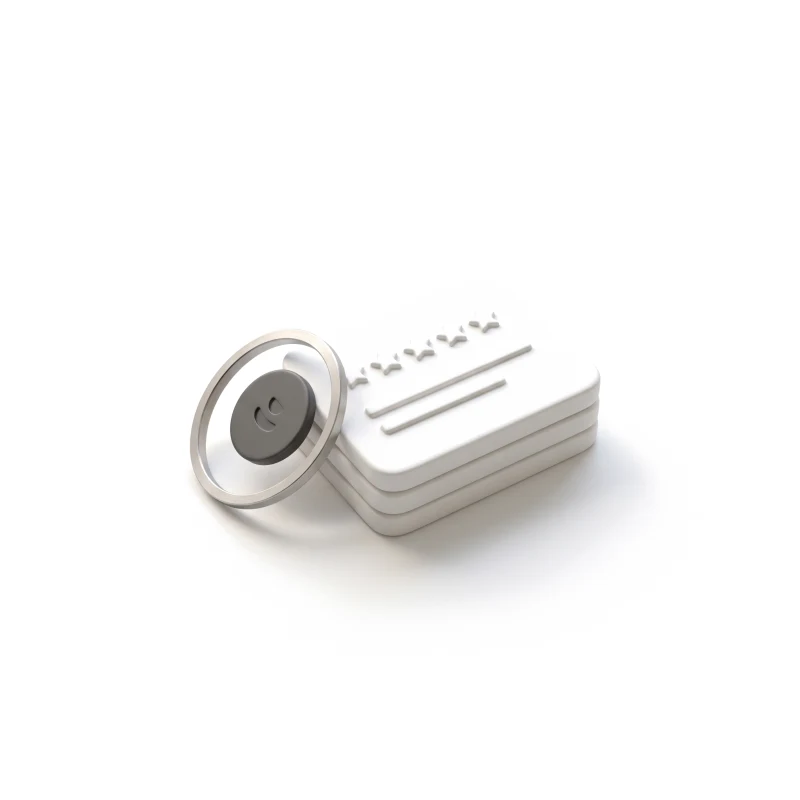
Rating, posting and earning built so the next guest trusts what they read.
You receive
Restaurant discovery app design is mostly edge cases — a venue that has not updated its hours, a filter with nothing behind it, a harsh review late on a Friday. We design what the diner sees in each case and what the owner is asked to fix.
One app for diners and the venues they review, redesigned from the build it already had — with the brand and landing page that sell both sides.
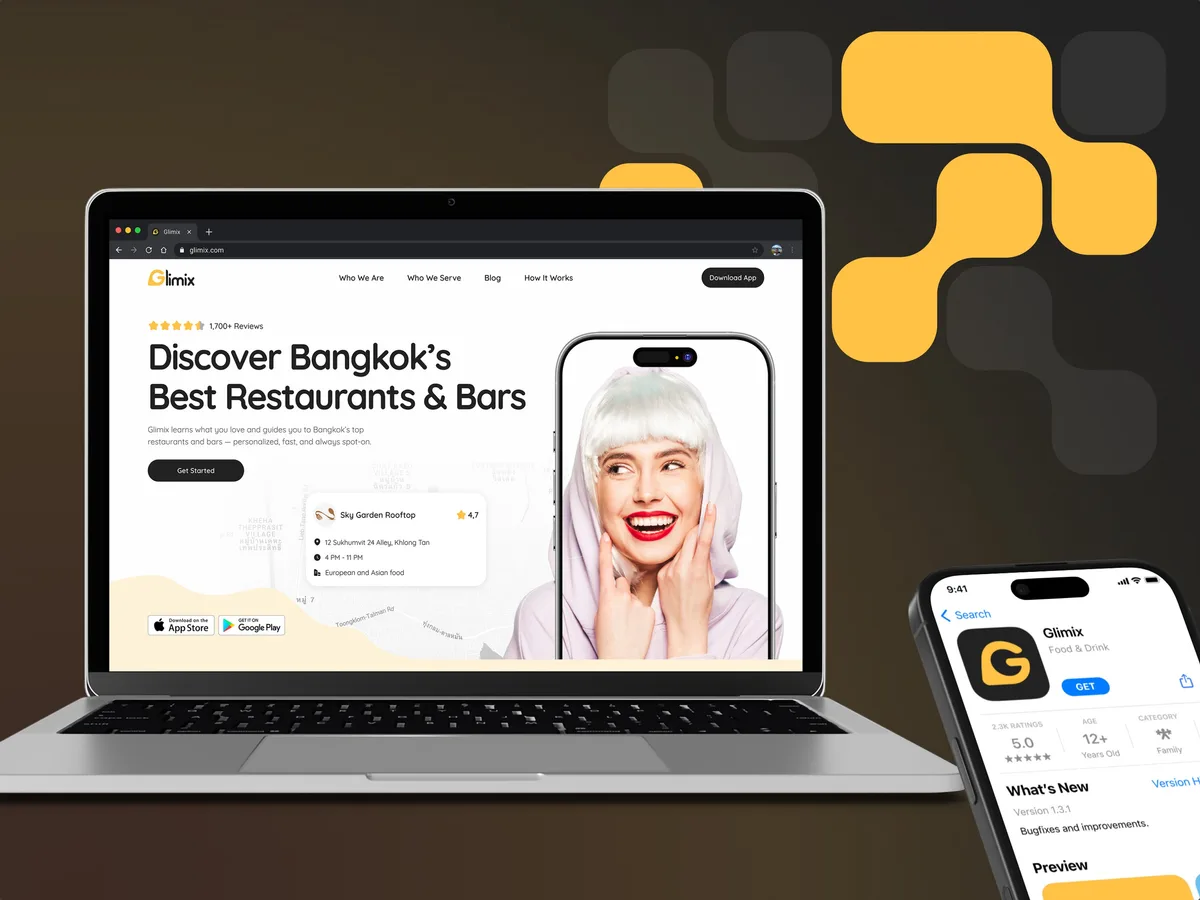
FoodTech · SaaS
Redesigned a two-role discovery app — diners and venue owners in one product — across maps, filters, reviews, visual stories and venue profiles, then gave it a brand and a landing page.
It fits when choosing a place is the product and the points below ring true.
Guests judge a venue; its owner answers for it in the same product.
People decide on a phone, hungry, with friends waiting.
Hours, menus, photos and offers go stale faster than anyone updates them.
Reviews, ratings and photos from other guests carry the decision.
Tell us who searches in your product and who gets listed. You'll get a reply naming the service we'd start with, and the reason.
One service carries the work; its proposal says which screens, for diners and for owners, and when you review them.
ANODA brought the product screens, identity and landing-page direction together. We appreciated the consistency between how the service is introduced and how its two user roles move through the proposed experience.
Diners, venue owners, staff: say who uses it and where they stall between search and the door.
Message received.
Within 15 minutes, we’ll email you initial feedback and follow-up questions.
Discover proven mobile app engagement strategies with ANODA UX. Learn to boost retention, improve metrics, and foster lasting connections. Get started today!
Boost mobile conversions with top UX design practices. Improve usability, user retention, and engagement. Learn how at ANODA UX Agency. Start optimizing today!
A polished menu screen tells you little; look for a product where guests and venues meet. Someone fluent in foodtech UX design will show the flows for both roles, the states behind them — closed venues, empty filters, stale listings — and what the engineers received. Ask to see the owner side too: it is the half most portfolios leave out. Check what actually launched and which designers made it. Our Glimix case shows a two-role discovery app designed end to end; it was not a delivery or checkout product, and we say so.
A restaurant app design project covers both roles' journeys, every screen state, a prototype to put in front of diners, the UI and files your developers can take straight into the build. Price and schedule follow the number of roles and platforms, whether a live app is being reworked, how much the owner side must do, and whether brand and landing page come too. Adding rewards or an owner dashboard to a live guest app is a smaller scope than designing both from scratch. Both are fixed in writing before design begins.
Guests who search, compare, visit, rate and post; venue owners and managers who claim a listing, keep photos, hours and menus current, answer reviews and read visitor trends; and the moderators and admins who keep listings honest. The journeys run from the first search to the review after the visit, and on to the reason a guest comes back. For a restaurant group, the owner side also covers several locations under one account, each with its own hours, photos and staff.
A food app that has not launched yet gets both roles designed in UI/UX & Product Design. If guests search but never arrive, a UX Audit shows where the evening falls apart. The guest side on a phone is Mobile App Design; the owner's tools in a browser are Web App Design. If the product still needs a face, Brand Identity Design runs alongside. MVP Design suits a first release that only needs to win one city's diners, or one kind of venue.
Your venues and advisers do; we design the screens and certify nothing. We design where dietary and allergen tags appear, what happens when a venue has not filled them in, how reviews and photos are reported and moderated, and what a listing may promise. Whether the product meets food, consumer or data law where you operate sits with your legal advisers and venues, and we design to their answers.
One person who makes product calls, the app or staging stocked with test venues, and a login for guest, owner and moderator. Then the moderation and listing rules, any search or support data, and an early conversation with engineering about the map, listing and review services behind the app.
Glimix, a social-discovery app that connects local venues with the people who review and discover them. We redesigned it for two roles in one product — maps, filters, live visitors, reviews and visual stories — on a component-driven design system, then designed its brand and landing page: 200+ screens. It is venue-discovery work, not food delivery or checkout.
Yes. Most restaurant products already have a codebase and venues relying on them. Your files and component system stay the working base, your designers and engineers stay involved, and you keep everything we produce. Where the brand already exists, we design inside it rather than around it. Changes that hit venue owners in their busy season are timed and announced together with your team.